Municipal roadway projects vary widely in size and complexity, from routine maintenance and utility work to major infrastructure improvements. These projects may involve municipal crews, contractors, or both, and require traffic control solutions that can adapt to different work zone conditions, traffic patterns, and operational demands.
A traffic control technology partner provides the equipment, technology, and support needed to manage traffic around active work zones. The right partner should understand the unique challenges of municipal roadway projects and offer flexible, reliable solutions that support safer, more efficient traffic management.
Know what you need before choosing a partner
Before comparing traffic control technology partners, identify the challenges your municipality needs to address. Consider the types of work zones you manage, where your current processes create difficulties, and what you want technology to improve.
Your priorities may include better work zone visibility, easier communication, remote monitoring, automated traffic control, or more efficient management across multiple locations. Having these requirements clear from the start makes it easier to compare providers and find a solution that fits your operations.
Key factors to consider in a traffic control technology partner
Once you understand your municipality’s needs, you can take a closer look at potential partners. The following factors can help you determine which providers are best equipped to support your projects and day-to-day operations.
Municipal and work zone experience
A provider’s experience can help you determine how well its solutions align with the practical demands of municipal traffic control. Look for a partner that understands roadway operations and has experience working with municipalities, public agencies, or similar organizations. Review its work across different types of projects and work zones to see how well its solutions perform under real-world conditions.
This experience can be particularly valuable when projects involve multiple crews, locations, or changing roadway conditions. A provider familiar with active work zones is more likely to understand shifting traffic patterns, equipment requirements, ease-of-use considerations, and the support crews may need throughout a project. Previous deployments can also demonstrate how effectively the provider works with field crews, supervisors, and project managers.
Safety and visibility capabilities
Safety should be a central consideration when evaluating traffic control technologies. Look for solutions that give teams better visibility into active work zones through features such as real-time video, monitoring tools, and connected equipment. These capabilities can help supervisors stay aware of changing conditions and respond when issues arise.
Automated equipment and remote capabilities may also help reduce the need for personnel to remain directly exposed to moving traffic in certain situations. The technology should complement established traffic control practices while giving teams additional tools to manage risk and stay informed.
Ease of deployment and integration
A solution can offer advanced capabilities but still create challenges if it is difficult to deploy or operate. Consider how easily equipment can be transported, configured, and used across different project locations. Ask providers about setup requirements, crew training, maintenance, and the practical steps involved in preparing the technology for use.
You should also check whether the technology works with your existing systems and infrastructure. A smart traffic control system can be particularly useful when connected equipment, monitoring capabilities, and other traffic management tools work together within a coordinated workflow. This gives supervisors a more centralized view of active work zones and makes it easier to manage information across different project locations.
Scalability and long-term support
Municipal traffic control needs can change as projects, budgets, and infrastructure requirements evolve. Look for a solution that can expand across multiple crews, locations, and work zones as your needs grow. Equipment availability, user access, and monitoring capabilities can all affect how easily a solution scales.
Training and technical support should also be part of the evaluation. Crews need to understand how the technology works and how to respond to alerts or operational issues. Responsive support can help teams address maintenance needs, resolve technical problems, and keep projects moving.
Reliability and long-term value
Cost matters, but the initial purchase price shouldn’t be the only factor in your decision. When assessing long-term value, consider equipment durability, maintenance requirements, connectivity, training, technical support, and the potential for greater operational efficiency.
It’s also worth considering whether the technology can support future projects without requiring major changes to your existing processes. A reliable solution should provide practical value today while remaining useful as your municipality’s needs evolve.
Conclusion
The right traffic control technology partner can support your municipality’s day-to-day operations while helping your teams adapt to changing project needs. Taking the time to evaluate potential providers can help you find a solution that fits your work zones, workflows, and long-term operational goals.
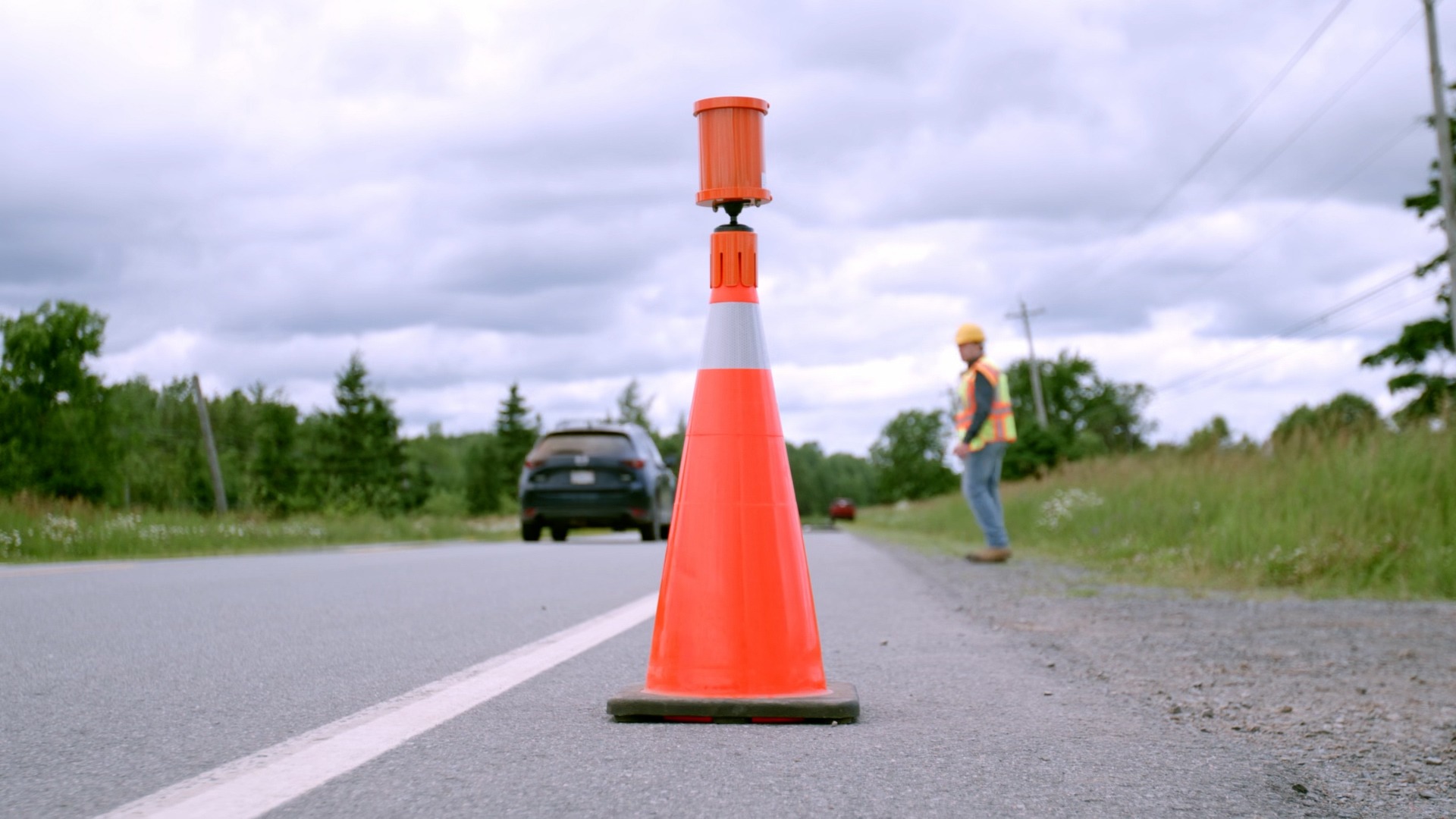
For municipalities managing active roadwork, maintenance, utility projects, and other public infrastructure work, Site 20/20 offers connected solutions such as the Guardian SmartFlagger, Guardian Smart Sign, and Guardian Cone Pro. These technologies can help municipal teams improve work zone visibility, support safer operations, and manage traffic control across changing project conditions. Book a demo to learn more.
Frequently asked questions
Why is smart traffic control technology important for local governments?
Smart traffic control technology can improve work zone visibility, support safer operations, and help municipal teams manage changing traffic conditions more effectively.
How can municipalities improve work zone safety with technology?
Municipalities can use remote monitoring, connected equipment, live video, and automated traffic control tools to improve visibility and support safer work zones.
What is the benefit of connected work zone solutions?
Connected work zone solutions can give teams access to real-time information, improve communication, and support better coordination across active roadway projects.
What should municipalities consider when choosing traffic control technology?
Municipalities should evaluate safety capabilities, ease of use, integration, scalability, training, technical support, reliability, and total long-term value.
How can municipalities evaluate smart traffic control products?
Municipalities can compare smart traffic control products by reviewing field experience, operational capabilities, deployment requirements, support services, integration options, and long-term costs.