Traffic Control Solutions for Electrical Projects
Keep crews safe and traffic moving with smart, automated solutions designed to improve safety, coordination, and efficiency on electrical worksites.
Why Electrical Contractors Need Smarter Traffic Control
- High-voltage work zone traffic management requires full focus, with no distractions.
- Work near live power lines and substations leaves little margin for error.
- Crews must coordinate around planned outages and strict time windows.
- Manual flagging increases exposure in already hazardous environments.
- Traffic delays can disrupt roadways, critical utility services, and project schedules.
Our Smart Traffic Control Solution for Utility and Gas Projects
Traffic control for electrical contractors is more complex than standard road work. Our systems are designed around the real coordination challenges electrical crews face, from dispersed line teams working across multiple poles to substations requiring controlled single-lane access for heavy equipment.
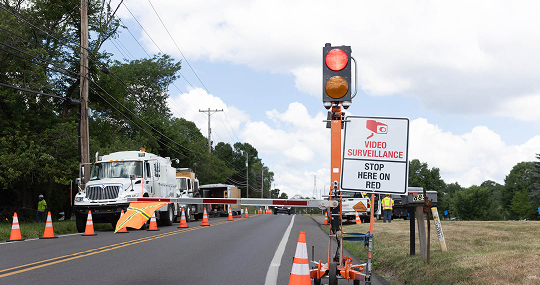
Guardian SmartFlagger
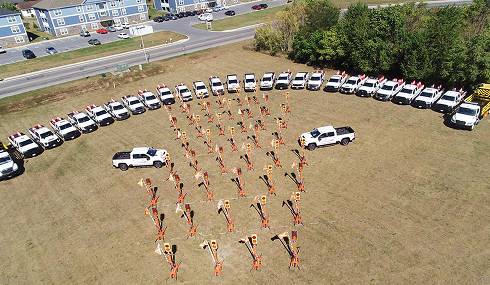
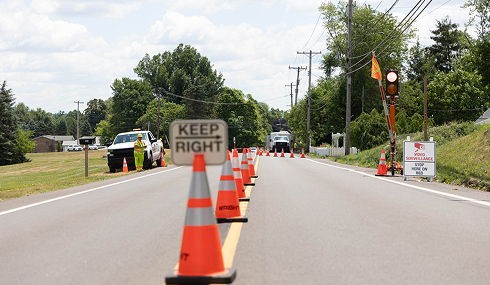
Control traffic flow remotely during roadside line work or at substation access points. A single operator can manage vehicle movement without standing near live traffic.
Guardian Smart Sign
Track sign placement across extended work zones, such as pole-to-pole installations. Ensure compliance even when crews are spread over long distances.
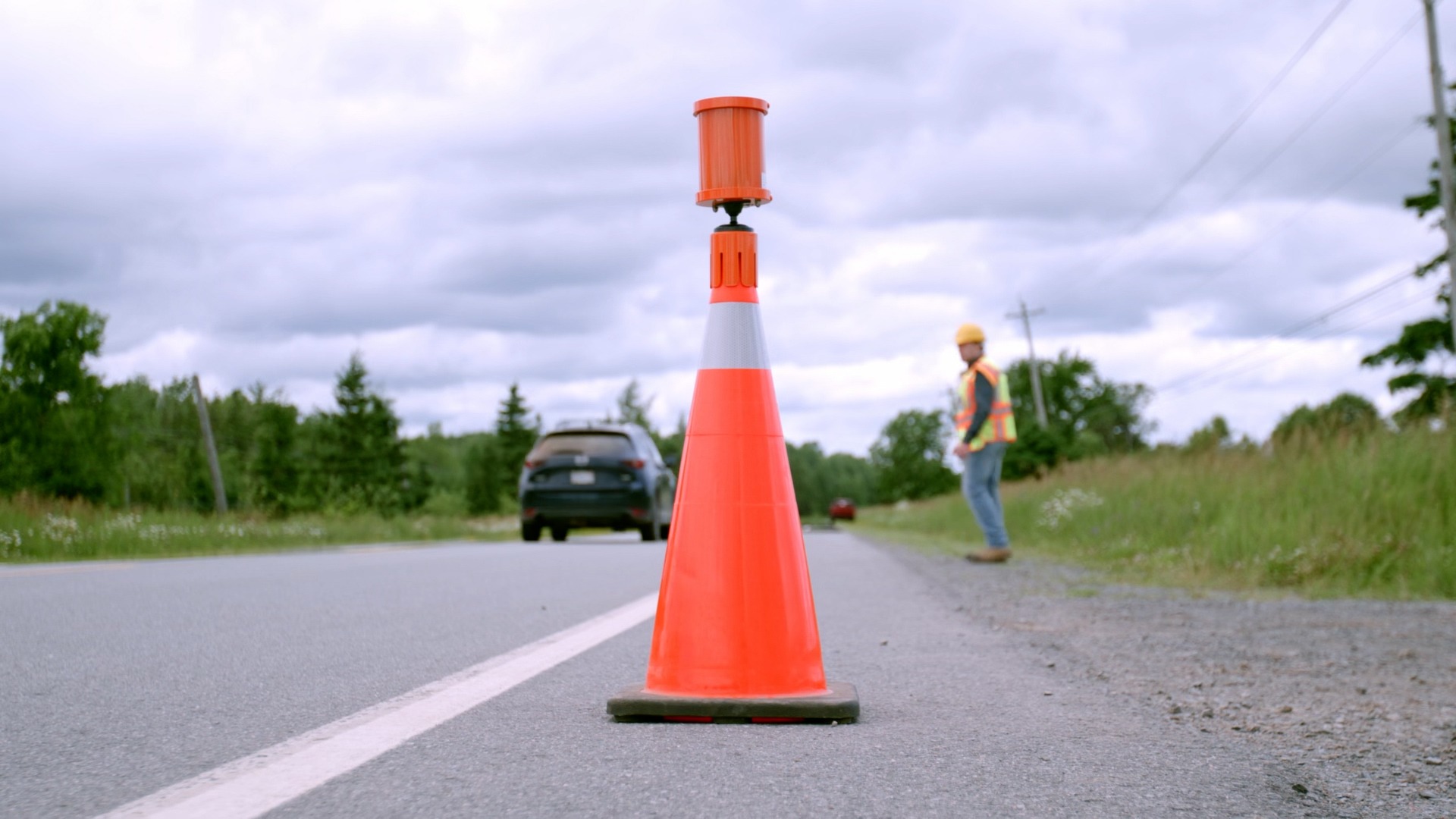
Guardian Cone Pro
Receive real-time alerts when vehicles approach active work zones, giving crews extra reaction time in high-speed or low-visibility areas.
Remote Onboarding
and Dispatch System
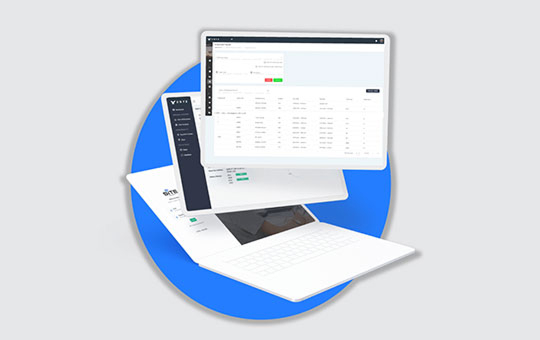
A traffic control ERP that centralizes crews, equipment, and dispatch for electrical projects, keeping outage work and multi-site operations accurate and aligned.
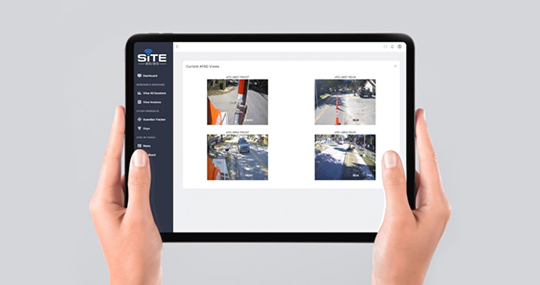
Partner Portal
Monitor all active work zones from a central location, ideal for supervisors managing multiple electrical projects simultaneously.
Common Electrical Worksite Setups and Applications
Electrical contractors operate across a wide range of environments, each with its own traffic control challenges.
Substation Maintenance
Work zones are often confined, with controlled entry points and restricted access. Traffic control must ensure safe vehicle flow while protecting crews working in high-risk areas.
Power Line Installation
Projects extend along roadways, requiring mobile traffic setups that move with the crew. Consistency and quick adjustments are essential to avoid delays.
Emergency Electrical Repairs
Outage response requires rapid deployment. Traffic control systems must be set up quickly to secure the area while crews restore service.
Urban Utility Upgrades
Dense environments introduce heavy traffic, limited space, and multiple crews working simultaneously. Real-time coordination is critical to avoid congestion and safety risks.
How Electrical Crews Operate Onsite
Traffic control for electrical work is managed as one continuous, coordinated workflow, from planning to onsite execution, keeping teams aligned at every stage.
Dispatch and Mobilization
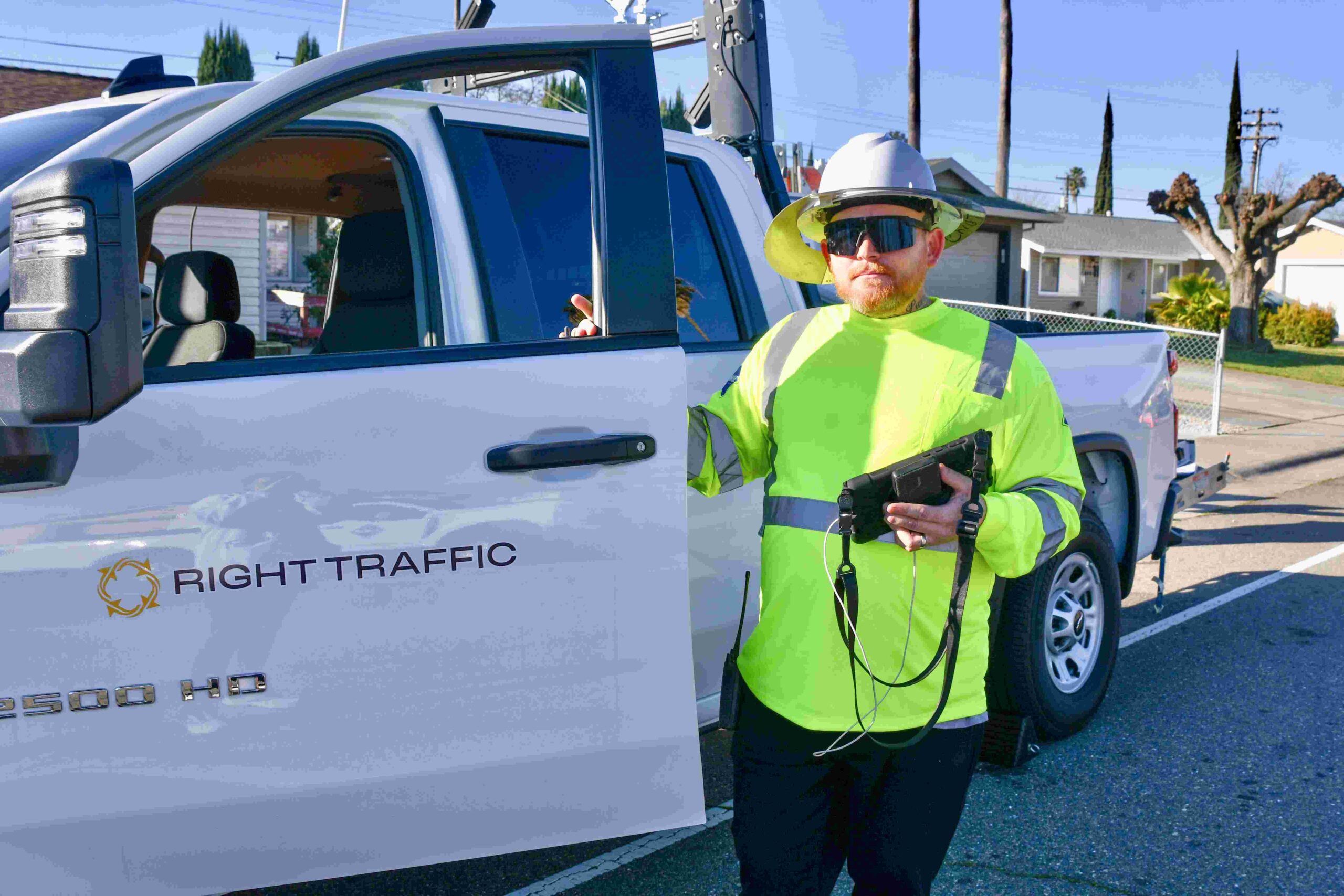
A dispatcher uses ROADS to assign crews, confirm equipment, and log job details before anyone leaves the yard. Field workers confirm assignments via text, while the real-time Scoreboard displays Unfilled, Scheduled, No Response, and Confirmed statuses for all active jobs.
Onsite Setup
A crew member deploys the SmartFlagger along with signs and cones at the approach zone. Guardian Smart Sign GPS locations are instantly visible in the Partner Portal, while Cone Pro alerts electrical crews to approaching vehicles from up to 500 feet away via a wearable device.
Live Operations and Control
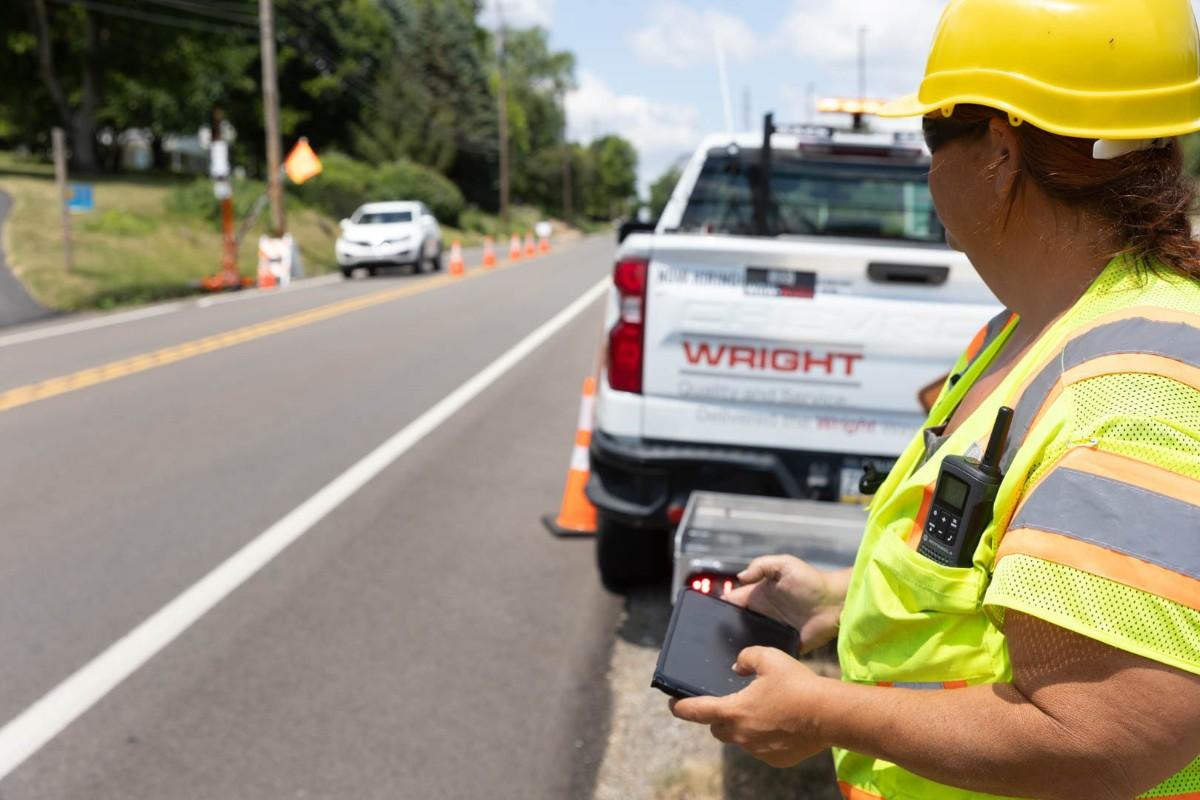
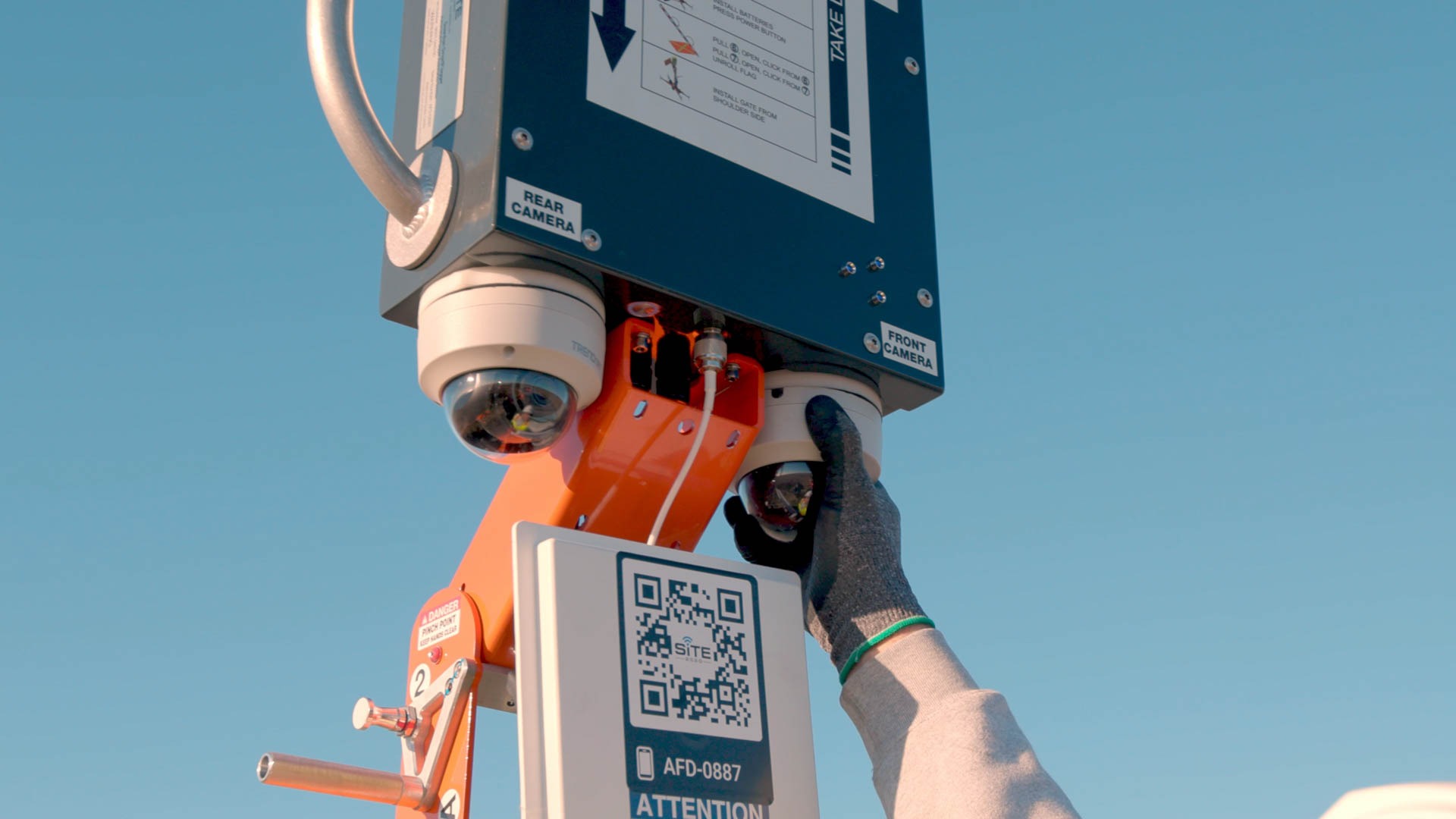
A single operator manages up to four SmartFlagger units from a tablet within the work zone, controlling gate arms and monitoring live 360-degree camera feeds without standing in the roadway. If a sign is displaced by passing traffic, an alert is triggered immediately. If traffic speeds increase on approach, Cone Pro flags it in real time.
Post-Job Reporting and Invoicing
Electrical crews submit timesheets through ROADS, directly linked to the dispatched job, and equipment is logged back in. Office teams review hours against dispatch records and proceed to invoicing using the same operational data, eliminating the need for separate spreadsheets or field notes.
Why Electrical Contractors Choose Site 20/20?
Traffic control for utility electrical maintenance and installation demands maximum focus and minimal disruption. Site 20/20 delivers reliable, automated traffic management that keeps your work area clear and your team protected.
Our systems help you operate safely in energized or high-risk zones, avoid unnecessary road closures, and maintain full compliance with local safety regulations. When every second counts, Site 20/20 helps you work smarter and safer.
From planning to deployment, our smart work zone technology for utility electrical maintenance, repair, and installation ensures safer, more efficient operations.
Frequently Asked Questions
What is traffic control for electrical contractors?
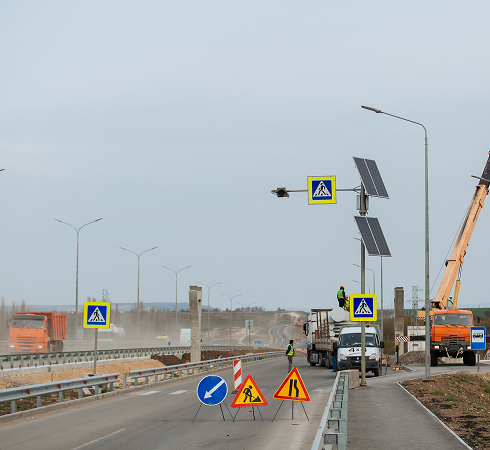
Traffic control for electrical projects involves managing vehicle flow around work zones to protect crews and the public. This includes flagging, signage, and automated devices that keep traffic moving safely near power lines and substations.
Can smart work zone technology be used for emergency repairs?
Yes, it is built for rapid setup and real-time management during urgent electrical repair situations. This ensures traffic and work zones remain safe without delays.
How fast can an automated traffic control setup be deployed for emergency utility repair?
Automated systems can be deployed quickly, often within minutes, depending on the site conditions. This allows crews to secure the area and begin critical repair work without unnecessary delays
Can one supervisor monitor multiple roadside work zones?
Yes, with remote monitoring tools like the Partner Portal, a single supervisor can oversee multiple active work zones in real time, improving coordination and reducing the need for onsite oversight.
What does connected sign tracking help prevent on utility projects?
Connected sign tracking helps prevent misplaced or non-compliant signage across extended work zones. It ensures all signs are correctly positioned and visible, even when crews are spread across long distances.
When does automated flagging make more sense than additional manual flaggers?
Automated flagging is ideal in high-risk or high-traffic environments where reducing worker exposure is critical. It also improves consistency, reduces labor requirements, and allows crews to focus on core electrical work.