Road construction and maintenance bring workers, equipment, and moving traffic into close proximity. Conditions can also change throughout the day as lanes shift, equipment moves, and traffic volumes increase or decrease.
When something goes wrong, crews may have only seconds to react. Technology can help support safer operations by improving visibility, providing earlier warnings, and reducing the need for workers to stay close to moving traffic.
Why work zones create unique safety challenges
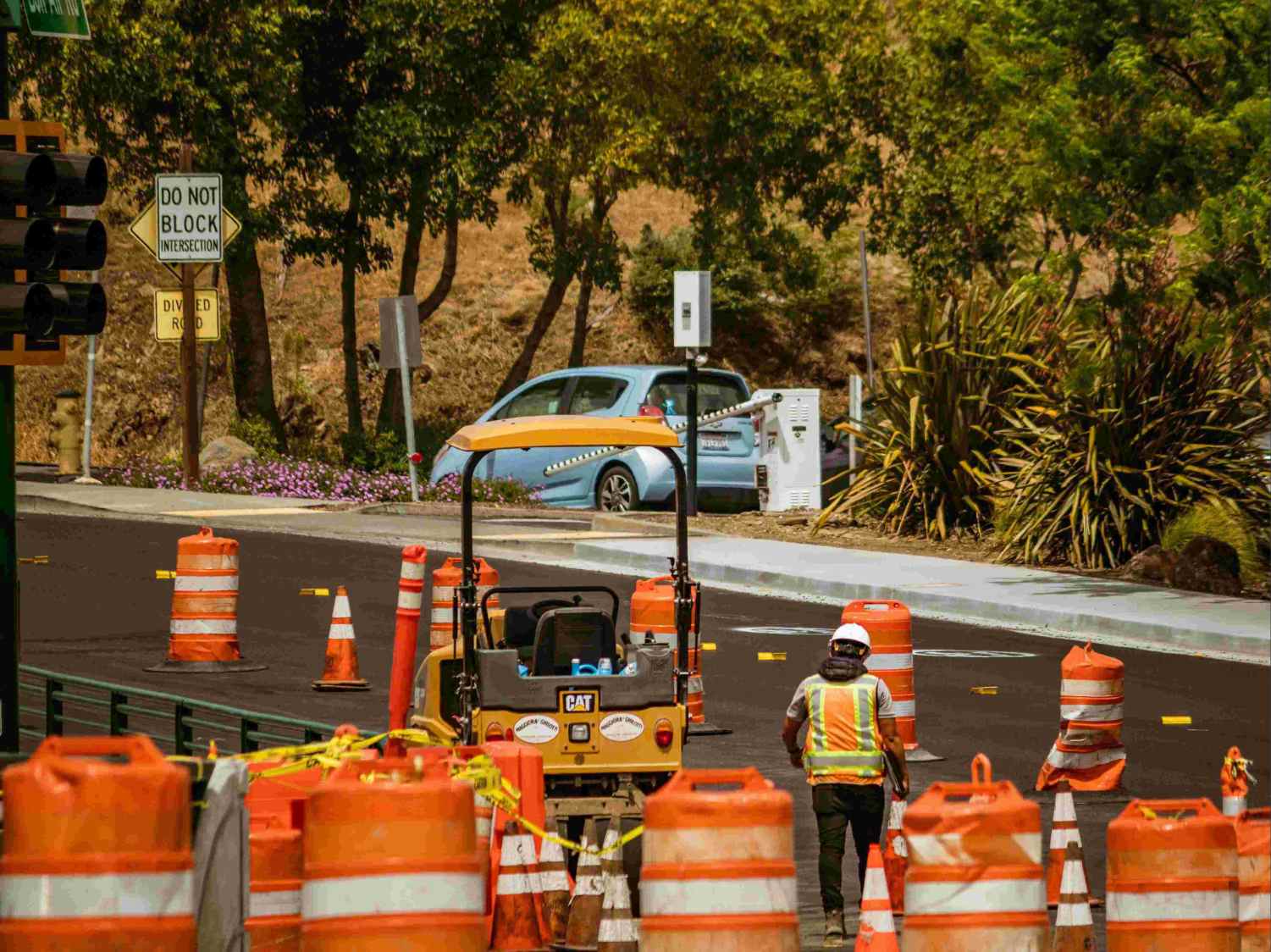
Unlike a fixed jobsite, a road work zone operates beside or within active traffic. Drivers must respond to temporary signs, changing lane patterns, reduced speeds, workers, and construction vehicles, often within a relatively short distance.
In 2024, 850 people were killed in work-zone crashes across the United States. Improving highway work zone safety requires reducing workers’ exposure to moving vehicles while helping crews and road users stay aware of changing conditions.
Traffic control technology is not a replacement for a traffic control plan, worker training, proper setup, or established safety procedures. Instead, it can support those measures by providing real-time information and earlier warnings of potential hazards.
Key work zone safety risks and how Site 20/20’s technology addresses them
Worker exposure to live traffic
Traditional flagging can require workers to remain near active traffic while directing vehicles through a temporary traffic pattern. This can put flaggers at risk when a driver is distracted, approaches too quickly, or fails to follow directions.
Guardian SmartFlagger can be operated remotely, allowing the flagger to manage traffic from within the work zone instead of standing directly in the traffic path. This helps create more distance between the operator and moving vehicles without losing visibility or control.
Speeding and fast-approaching vehicles
Workers may have limited reaction time when a vehicle approaches a work zone faster than expected. This can be especially concerning on highways, rural roads, and other locations where normal travel speeds are high.
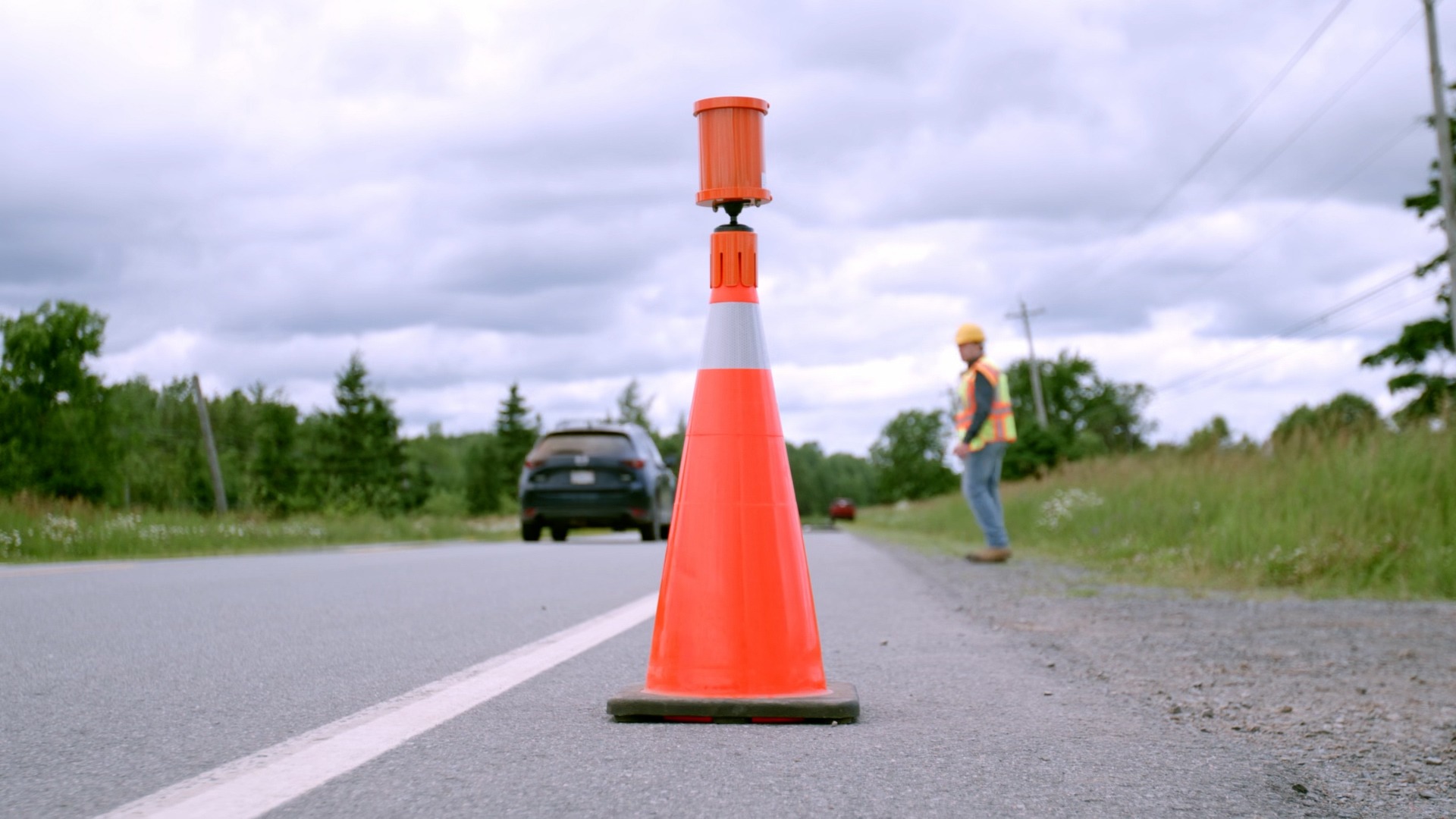
Guardian Cone Pro uses sensors to monitor approaching vehicles and changes in speed. When it detects a potential hazard, the system can provide an early warning to workers within a 500-foot radius.
That extra warning time can be especially valuable for crews focused on construction tasks who cannot continuously watch every vehicle approaching the site.
Vehicles entering the work area
A vehicle intrusion can occur when a driver crosses into a closed lane, passes a channelizing device, or enters an area intended for workers and equipment. Once that boundary is crossed, crews may have only moments to respond.
Connected sensors can help identify unexpected vehicle movement and alert crews to potential danger. Guardian SmartFlagger includes an intrusion alarm, while Guardian Cone Pro can detect work zone intrusions and send wireless alerts to workers.
These systems cannot prevent every intrusion, but they can provide an additional warning when a vehicle enters an area where it should not be.
Limited visibility across the work zone
Long or complex work zones can be difficult to monitor from a single position. Curves, construction equipment, terrain, darkness, and changing work activities can also create areas that are harder to see.
Cameras and remote monitoring can expand visibility beyond what one worker or supervisor can observe from the roadside. Guardian SmartFlagger includes 360-degree camera coverage, and its cameras can be monitored from within the worksite or remotely through the Partner Portal.
Using smart work zone technology this way gives teams another source of real-time information about what is happening across an active site.
Missing or incorrectly positioned traffic-control signs
Temporary signs give drivers advance notice of changing roadway conditions. If a sign is moved, missing, or positioned incorrectly, motorists may not receive important information when they need it.
Guardian Smart Sign adds GPS tracking to traffic-control signs so teams can remotely review their placement across active sites.
This makes it easier to keep track of deployed signs and identify placement issues that may need attention.
Communication and coordination gaps
Work zone safety also depends on good coordination before and during the job. Crews need the right equipment, dispatchers need accurate job information, and supervisors need visibility into ongoing operations.
When scheduling, equipment records, job details, and field communication are spread across separate systems, important information can be harder to find and manage.
The ROADS platform brings crew dispatching, equipment management, job coordination, time tracking, and other operational information into one centralized system. This gives office and field teams a shared platform for managing traffic-control operations.
Technology should support a complete safety strategy
No single device can address every hazard in a work zone. Traffic-control plans, proper device placement, worker training, communication, personal protective equipment, and site-specific procedures all remain essential.
NIOSH recommends measures such as improving worker and equipment visibility, separating workers from moving traffic where possible, and using warning systems to reduce struck-by hazards.
Technology can support these measures by helping crews maintain safer distances from live traffic, detect potential hazards sooner, and stay informed about conditions across the work zone. When integrated with established safety practices, these tools provide an additional layer of protection for workers and road users.
Build safer and better-connected work zones with Site 20/20
Site 20/20 is a traffic control safety technology company that offers connected solutions designed to help traffic-control teams manage work zones more safely and efficiently.
Our technology supports key areas of work-zone operations, including remote traffic control, vehicle detection, sign tracking, camera monitoring, and jobsite coordination.
By bringing these capabilities together, we help crews reduce roadside exposure, improve awareness of changing conditions, and maintain better oversight across active work zones.
Book a demo to see how Site 20/20 can support your sites.
Frequently asked questions
What are the biggest safety risks in a work zone?
Common risks include workers being struck by passing vehicles or construction equipment, speeding traffic, vehicle intrusions, limited visibility, incorrect device placement, and communication problems.
How can technology improve work zone safety?
Technology can provide earlier hazard warnings, remote traffic control, video monitoring, GPS tracking, and centralized job information to help crews identify and respond to changing conditions.
What is an automated flagger assistance device?
An Automated Flagger Assistance Device, or AFAD, controls traffic through a work zone while allowing the operator to work farther away from the flow of traffic.
How can workers be warned about approaching vehicles?
Sensor-based devices can monitor approaching vehicles and their speed, then provide alerts when predetermined conditions indicate a potential hazard.
Can technology help monitor temporary traffic-control signs?
Yes. GPS-enabled systems can track the locations of temporary signs, giving crews and supervisors remote visibility into where traffic-control devices have been deployed.
Why is real-time monitoring useful in a work zone?
Real-time monitoring gives crews and supervisors current information about work-zone conditions, helping them identify changes and potential hazards sooner.