Safety in road work and construction zones has become a growing priority as traffic volumes increase and project timelines tighten. Traditional methods of managing vehicles around worksites often rely on manual processes, which can expose workers to unnecessary risks. Today, modern traffic control technologies are transforming how teams manage traffic flow, reduce hazards, and create safer working environments.
At Site 20/20, we offer a smart traffic control system that keeps people out of the line of fire. From automated flagging devices to intelligent dispatch software, our solutions are redefining what work zone traffic safety looks like in practice.
What are traffic control technologies?
Traffic control technologies refer to the systems, devices, and software used to manage the safe and efficient movement of vehicles through roadway work zones, construction corridors, and utility sites. Traditionally, this work relied heavily on human flaggers who are positioned within active traffic flow, a role that carries considerable risk.
Modern traffic safety technology is changing this dynamic. Through automation, connectivity, GPS tracking, real-time video surveillance, and centralized digital management, today’s traffic control systems reduce human exposure while improving compliance, visibility, and operational efficiency. Whether deployed on a highway construction project or a routine utility maintenance job, these technologies create measurably safer conditions for everyone involved.
Key traffic control technologies enhancing work zone safety
Site 20/20 offers a fully integrated ecosystem of hardware and software solutions built specifically for traffic control. Below is an overview of the core products and how they contribute to safer work zones.
Guardian SmartFlagger
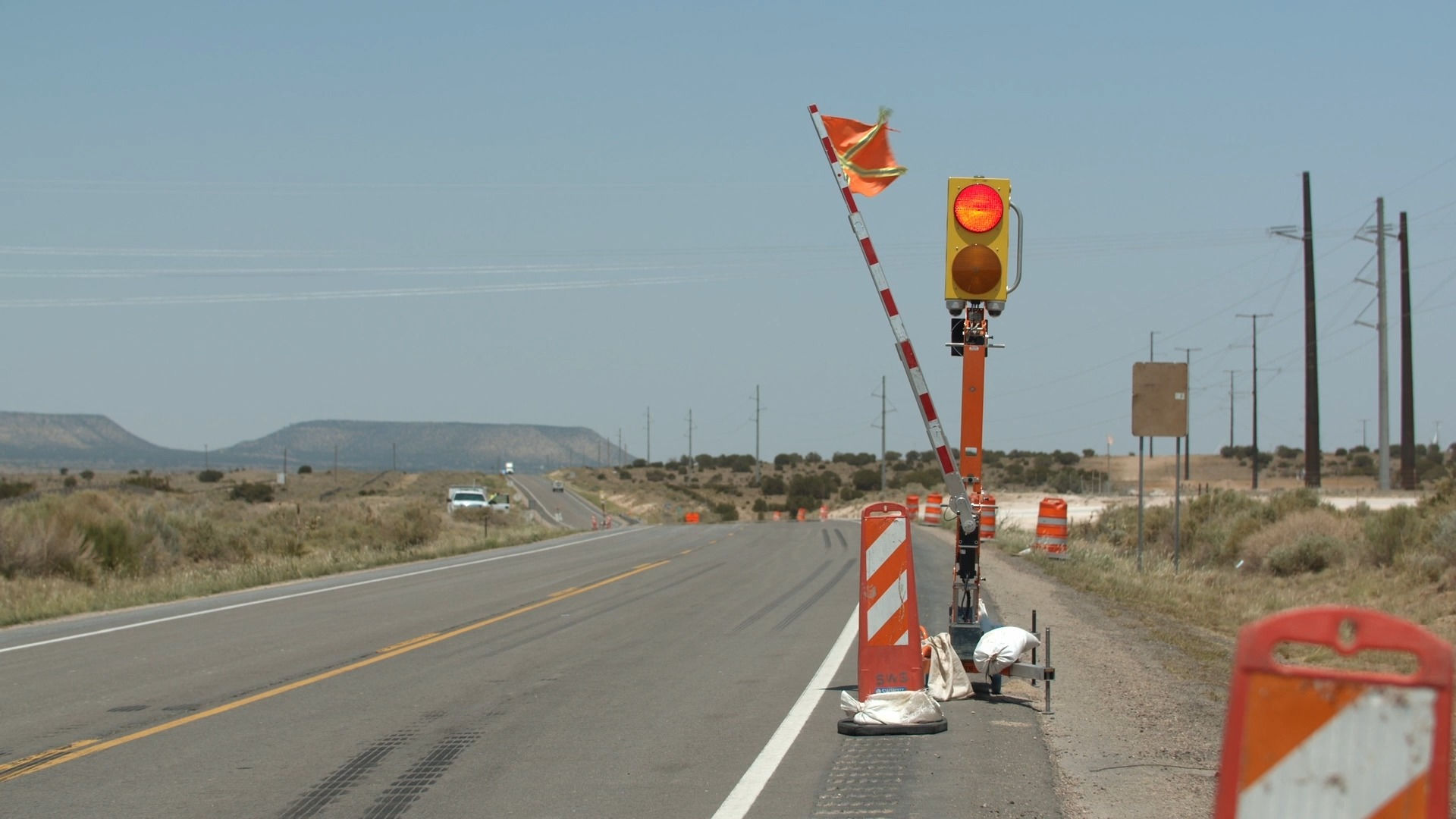
The Guardian SmartFlagger is an Automated Flagger Assistance Device (AFAD) designed to replace human flaggers at the point of greatest risk. The unit uses remote operation and live video monitoring, allowing one operator to safely manage up to four SmartFlaggers from within or outside the work zone, eliminating the need for anyone to stand in live traffic.
Key features include:
- 360-degree onboard cameras with night vision and up to 80 hours of footage storage for incident review and liability protection.
- A 5-band antenna and GPS with connectivity up to 1.2 miles, enabling remote operation from within a crew truck.
- Google and Waze integration that automatically alerts nearby drivers to active work zones before they arrive.
- Operates independently without requiring a cellular network, making it ideal for remote job sites or areas with poor signal coverage.
- At just 155 lbs (without batteries and arm), it is the lightest AFAD on the market, deployable by a single operator using one pickup truck.
The Guardian SmartFlagger is well-suited for construction sites, electrical and gas utility projects, telecom infrastructure work, and water line maintenance.
Guardian Smart Sign
The Guardian Smart Sign turns standard road signage into a connected, intelligent solution that supports better oversight and compliance. By integrating GPS tracking and real-time connectivity, it allows teams to monitor where signs are placed and how they are being used across multiple sites.
This level of visibility means managers can check setups remotely without needing to visit each location. It helps ensure signage is correctly positioned, up to date, and aligned with safety requirements. As a result, teams can maintain consistency across projects while reducing time spent on manual checks.
Guardian Cone Pro
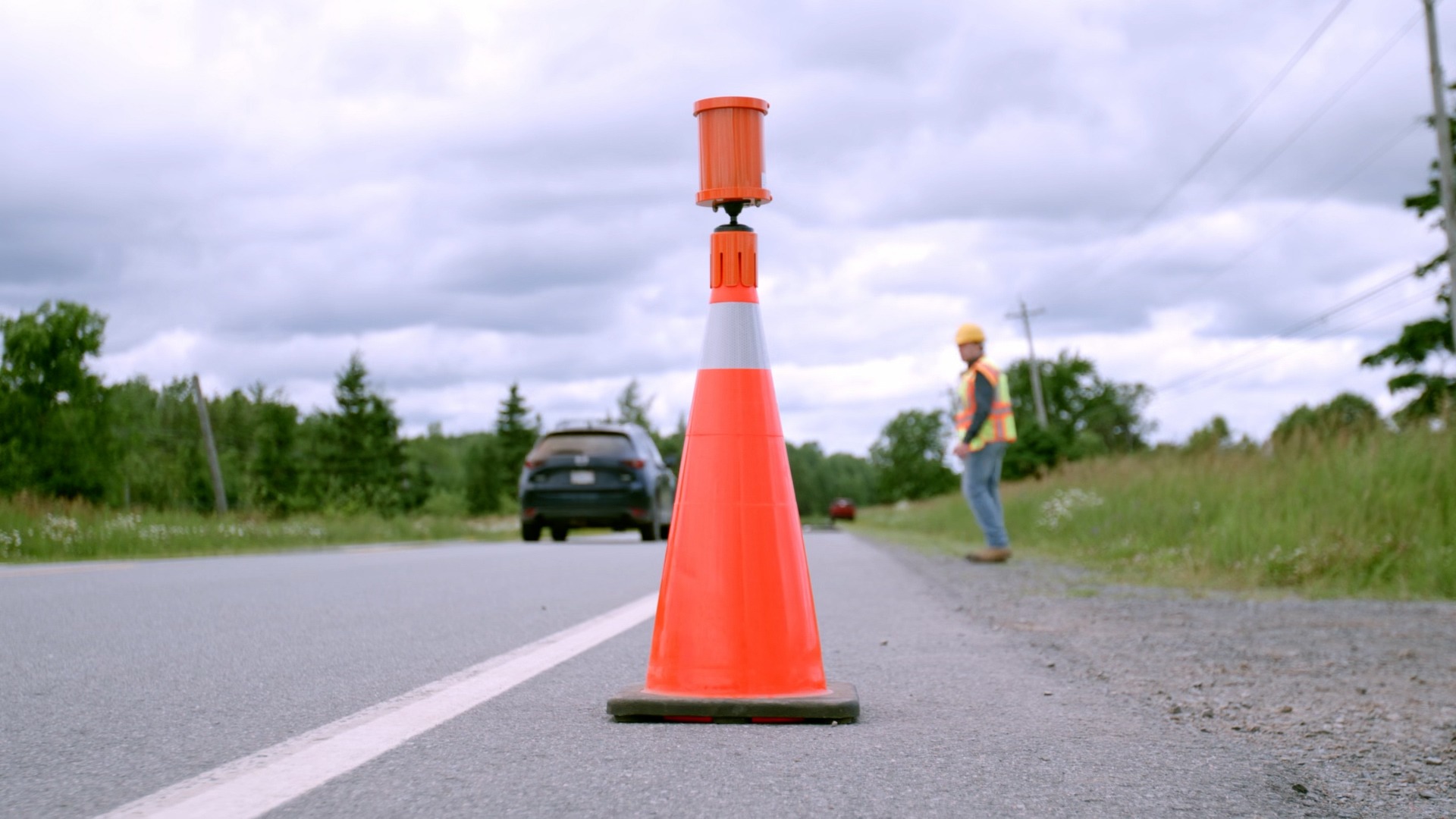
The Guardian Cone Pro is designed to enhance on-site awareness by adding a smart layer to traditional traffic cones. It helps create a wider safety buffer around the work area while providing timely alerts about approaching vehicles and their speed.
This added awareness is especially valuable in fast-moving or unpredictable traffic conditions. Whether used by a single operator or an entire crew, it supports quicker reactions and better decision-making. Acting as an additional lookout on-site, it helps reduce risks and improves overall safety for workers.
ROADS traffic control software
ROADS (Remote Onboarding And Dispatch System) is purpose-built traffic control technology for construction operations management. It is a web-based platform that covers the full lifecycle of traffic control work, from initial quoting through to invoicing, within a single connected system.
Currently supporting over 2,000 crews daily, ROADS replaces fragmented tools such as spreadsheets, text chains, and phone calls with a centralized operational hub.
Core ROADS capabilities include:
- A drag-and-drop Dispatch Board with real-time crew confirmation status.
- Multi-office dispatching and split crew workflows for larger operations.
- Equipment tracking and rental management for LEOs, TMAs, AFADs, and message boards.
- Integrated payroll, time tracking, and invoicing to close the loop between field and office.
- Conflict prevention logic that blocks suspended or terminated employees from being assigned to active jobs.
By connecting every stage of operations, ROADS reduces the administrative errors that can create safety gaps in the field.
Partner Portal
The Partner Portal is a centralized remote monitoring platform that connects all Guardian hardware, including the SmartFlagger, Smart Sign, and Cone Pro, into a single unified dashboard. Supervisors and managers can track equipment status, monitor live camera feeds, and view the GPS positions of all active units in the field without leaving the office.
This level of visibility enables operators to manage multiple simultaneous deployments across different sites.
Benefits of using advanced traffic control technologies
The shift from traditional to smart traffic management delivers tangible results across safety, efficiency, and cost:
- Reduced worker exposure: Automated devices keep crews out of live traffic, addressing the most critical risk factor in work zone injuries.
- Improved driver compliance: Research consistently shows that drivers respond more cautiously to automated devices and visible cameras, reducing the risk of incursions.
- Lower operational costs: AFADs do not require overtime, sick leave, or accommodation, converting variable labor costs into predictable fixed costs.
- Enhanced liability protection: Onboard video documentation provides an objective record of incidents, helping protect companies from unfounded claims.
- Greater operational visibility: Remote monitoring via the Partner Portal provides management with a live, accurate view of field activity at all times.
- Streamlined administration: Integrated software platforms, such as ROADS, eliminate inefficiencies caused by fragmented tools, reducing errors that can impact both billing and safety.
Best practices for safer work zones
Technology alone is not a substitute for good process. To get the most from modern traffic safety technology, operators should follow these best practices:
- Deploy AFADs wherever personnel would otherwise be required to stand in or adjacent to live traffic.
- Use integrated software platforms to ensure crews are properly rostered, certified, and dispatched with no gaps in accountability.
- Enable remote monitoring via the Partner Portal so supervisors can respond quickly to equipment anomalies or intrusions.
- Activate smart traffic alert integrations (such as Google and Waze) to give drivers advance notice of work zones.
- Conduct regular equipment checks and use remote battery monitoring to avoid mid-job failures.
- Retain and review onboard video footage as part of post-incident analysis and ongoing safety training.
Conclusion
The future of roadway work safety is already here. With the right combination of automated hardware, smart connectivity, and centralized software, traffic control companies can dramatically reduce the risks their crews face each day while improving the efficiency and profitability of their operations. Site 20/20’s integrated suite, built around the Guardian SmartFlagger, Guardian Smart Sign, Guardian Cone Pro, ROADS, and the Partner Portal, represents one of the most comprehensive solutions to work zone traffic safety available today.
If your team is still relying on traditional flagging methods, the question is not whether to upgrade, but how soon. Every day that workers stand in traffic unnecessarily is a day when modern technology could have kept them safer. To see how Site 20/20’s products can transform your operations, book a demo today.
Frequently asked questions
How does technology improve work zone safety?
Technology improves safety by reducing the need for manual intervention, increasing visibility, and providing real-time updates. This helps prevent accidents and ensures smoother traffic flow.
What technology is used in traffic management?
Traffic management uses a range of tools, including automated flaggers, smart signs, connected cones, sensors, and software platforms that monitor and control traffic conditions.
Why are automated flagging systems safer than manual flagging?
Automated systems keep workers out of live traffic lanes and provide consistent signals to drivers, reducing the risk of human error and accidents.
How do smart signs help drivers in work zones?
Smart signs deliver real-time information about road conditions, helping drivers make informed decisions and reducing confusion or sudden movements.
What is the role of software in traffic control?
Software platforms centralize data, enable remote monitoring, and support better decision-making, improving overall efficiency and safety.
Can traffic control technologies reduce project delays?
Yes, by improving traffic flow and reducing incidents, these technologies help minimize disruptions and keep projects on schedule.