Most traffic control crews show up, set up, and get the job done without incident. But when things go wrong in a work zone, they go wrong fast.
A sign in the wrong place, a flagger who does not see an approaching vehicle, a dispatcher working off outdated information. These are the moments that lead to injuries, project shutdowns, and liability claims that follow a company for years.
The reality is that most of these failures are preventable.
They do not happen because crews are careless or managers are incompetent. They happen because the systems many companies rely on were built for a different era of traffic control, one that did not have the traffic control technology available today to close the gaps.
This post walks through the specific reasons traffic control problems develop and what companies like Site 20/20 are doing right now to address them head-on.
What causes traffic control breakdowns
Poor communication between crews and managers
Traffic control crews often work across multiple locations at the same time. Managers may struggle to receive updates quickly, especially when relying on phone calls, paperwork, or disconnected systems.
When information is delayed, crews may receive outdated instructions, lane closures can become disorganized, and work zone adjustments may take longer than expected. Small communication gaps can quickly turn into larger operational problems on busy roadways.
Limited visibility across work zones
Managers cannot effectively respond to issues they cannot see. One of the most common traffic control problems is the lack of real-time visibility into field operations.
Without live monitoring tools, it becomes difficult to confirm:
- Proper sign placement
- Equipment status
- Crew locations
- Work zone compliance
- Traffic conditions near the site
This limited oversight can slow response times and increase the likelihood of unsafe conditions developing on the roadway.
Manual processes create delays and errors
Many companies still rely on spreadsheets, handwritten reports, and disconnected scheduling systems to manage daily operations. These processes consume valuable time and often create avoidable errors.
Manual workflows can affect:
- Dispatching accuracy
- Payroll processing
- Equipment tracking
- Invoice management
- Workforce scheduling
As projects become larger and more complex, outdated administrative systems can contribute to traffic operations breakdown across multiple job sites.
Inconsistent work zone setup
Consistency is critical in traffic control. Drivers and workers depend on predictable work zone layouts to navigate safely.
When crews use different setup methods or fail to follow approved traffic plans, the risk of confusion increases. Missing signs, incorrect cone spacing, or improperly placed equipment may lead to compliance violations and unsafe driving conditions.
Standardized processes help reduce these risks while improving efficiency across all projects.
Worker safety risks in high-traffic environments
Flaggers and roadside crews often work only a few feet away from moving vehicles. High-speed traffic, distracted drivers, and poor visibility create dangerous conditions every day.
Traditional work zone setups may leave workers exposed to unnecessary risks, particularly in areas with limited reaction time. Reducing worker exposure has become a major priority for companies looking to improve safety performance and reduce incidents.
The operational impact of traffic management failures
Increased safety incidents
Poor visibility, delayed communication, and inconsistent setups can create hazardous situations for both workers and drivers. Near misses, equipment strikes, and work zone intrusions may become more common when operations are difficult to monitor.
Many traffic management failures begin with small issues that were not identified early enough.
Reduced productivity and higher costs
Operational inefficiencies can affect nearly every aspect of a project. Delayed setup times, dispatching errors, and equipment shortages often result in lost productivity and rising labor costs.
Managers may also spend additional time correcting preventable mistakes, which reduces overall efficiency across the organization.
Compliance challenges affect reputation
Regulatory compliance depends on proper setup, documentation, and execution. When work zones are inconsistent or poorly managed, companies risk violations and reduced client trust.
How Site 20/20 can help your operation
Site 20/20 works with traffic control companies across North America to build safer and more efficient work zones.
Whether your priority is reducing worker exposure or improving site visibility, our innovative Guardian product line is designed to be user-friendly and easy to deploy.
Meanwhile, the ROADS platform replaces fragmented tools with a single system of record for contract administration, workforce logistics, equipment management, dispatching, payroll, and invoicing accuracy.
Book a demo and discover a better way to manage traffic control operations.
How smart technology by Site 20/20 helps improve work zone performance
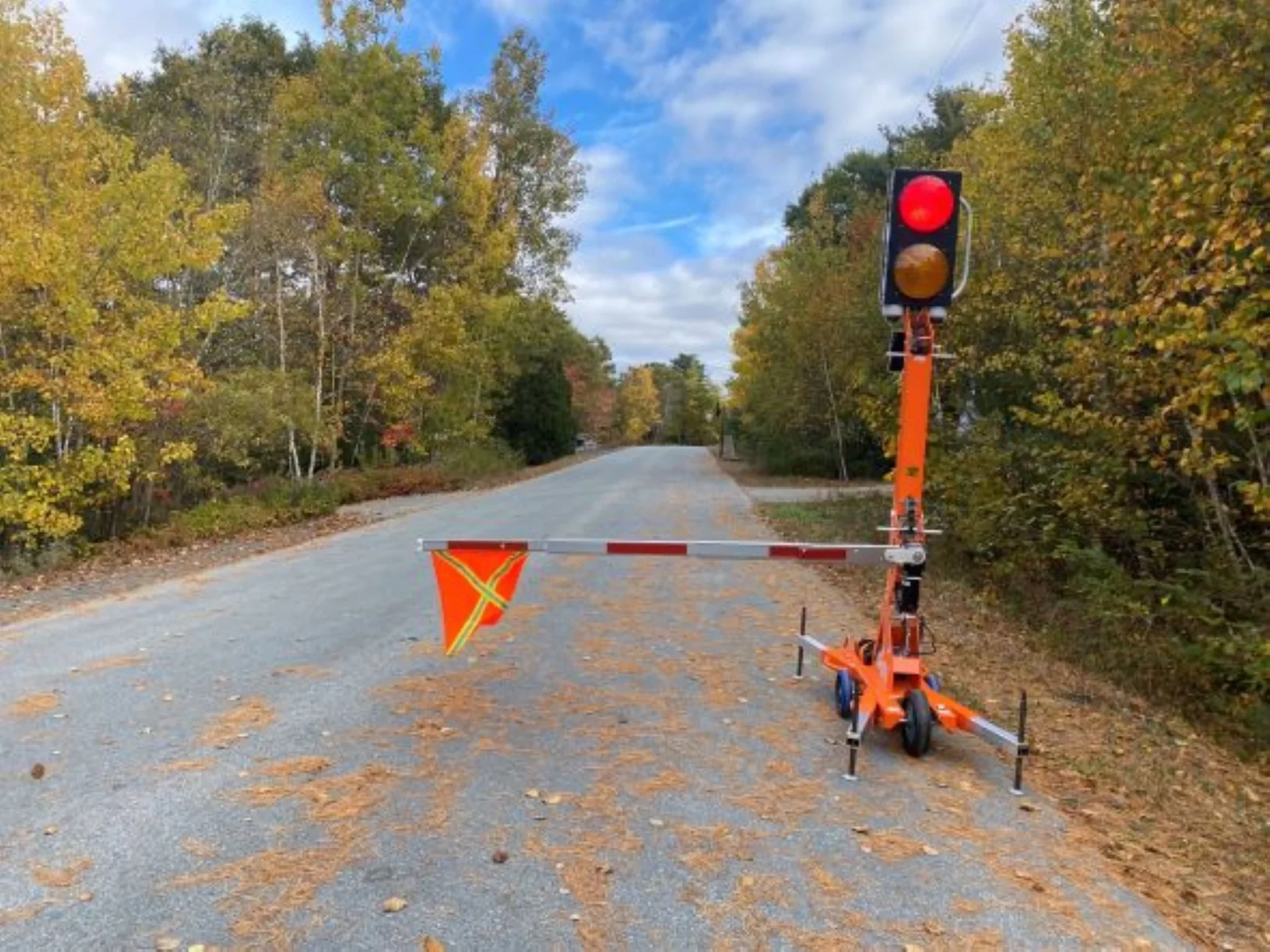
Guardian SmartFlagger improves remote traffic management
The Guardian SmartFlagger allows operators to control and monitor flagging operations remotely. This reduces the need for personnel to stand directly in traffic zones and improves consistency in traffic flow control.
It supports safer and more efficient flagging operations while reducing on-site exposure.
Guardian Smart Sign improves visibility and compliance tracking
The Guardian Smart Sign transforms standard traffic signage into GPS-enabled, trackable assets. Supervisors can verify sign placement in real time without physically visiting every site.
This improves accountability and reduces setup errors across multiple crews.
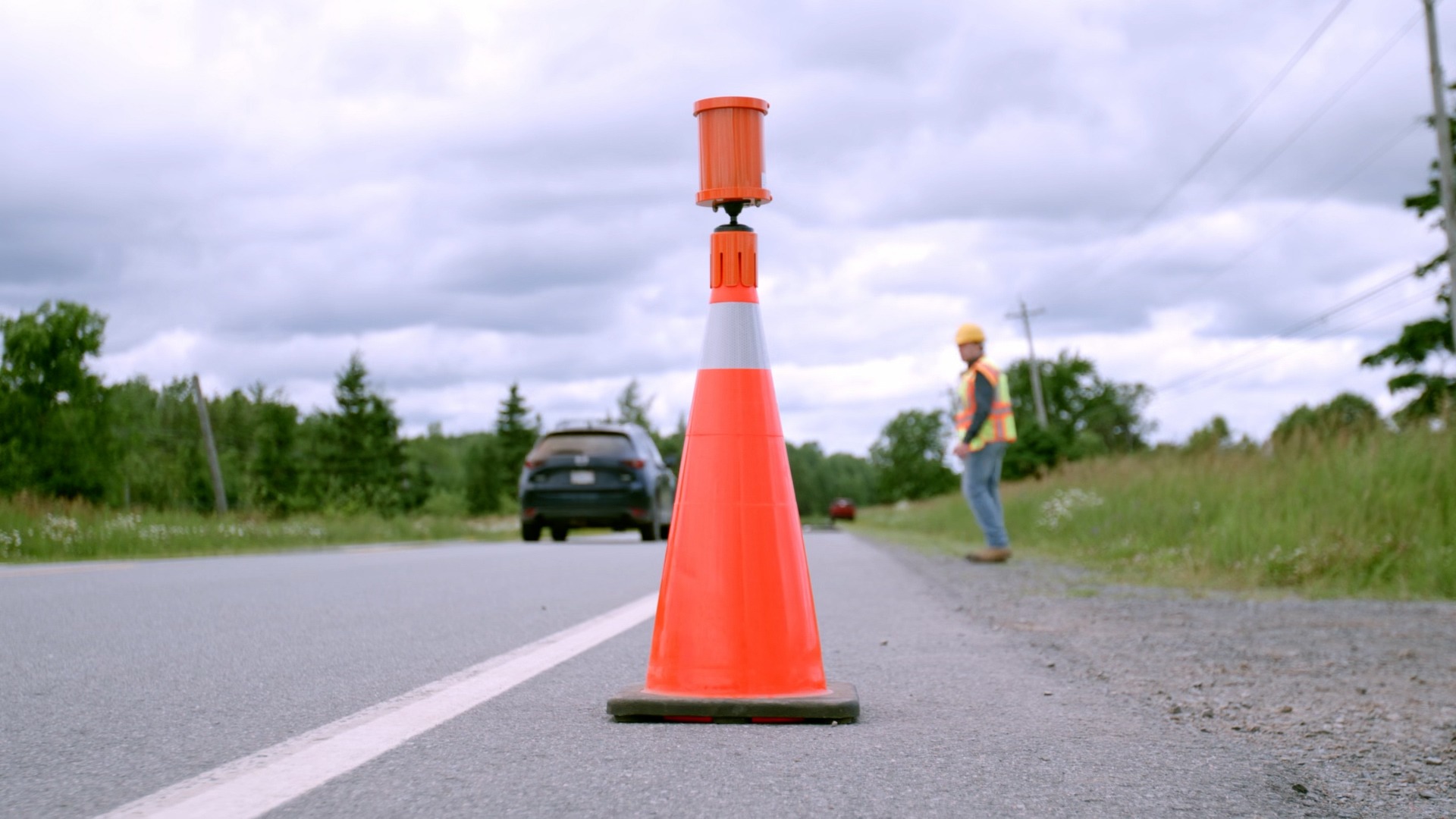
Guardian Cone Pro enhances worker awareness
The Guardian Cone Pro provides real-time alerts to workers about approaching traffic hazards. It helps improve situational awareness in active work zones and supports faster response times in high-risk environments.
ROADS platform streamlines traffic management operations
The ROADS, a traffic control ERP system, centralizes operations into a single platform.
It supports:
- Dispatch and scheduling
- Workforce management
- Equipment tracking
- Payroll and invoicing
- Contract administration
ROADS improves coordination across all traffic management operations.
Building a stronger traffic control strategy
Standardize processes across all crews
Clear operational guidelines reduce variation in setup and execution. Training and structured workflows help ensure consistent performance across job sites.
Replace manual workflows with connected systems
Digital platforms reduce human error and improve coordination between field crews and office teams. Automation also improves reporting accuracy and reduces administrative workload.
Use real-time data to improve decisions
Live operational data helps supervisors identify delays, optimize resource allocation, and improve future planning.
Data-driven decisions improve both safety outcomes and project efficiency.
The future of smarter work zones
The traffic control industry continues to evolve as companies adopt connected technologies that improve safety and efficiency. Remote monitoring, automated systems, GPS tracking, and integrated platforms are helping crews operate with greater accuracy and visibility.
As roadway projects become busier and safety expectations continue to rise, technology will play an increasingly important role in reducing risk and improving daily operations.
Frequently asked questions
Why do work zone operations break down?
Traffic control breakdowns are often caused by poor communication, inconsistent work zone setup, limited visibility into field operations, outdated manual processes, and delayed response times during changing roadway conditions.
How can traffic control operations be improved?
Companies can improve traffic control operations by using connected technologies such as remote monitoring systems, GPS-enabled equipment, automated flagging devices, and integrated operational platforms that improve communication and visibility.
Why is real-time monitoring important in traffic control?
Real-time monitoring helps managers track work zone conditions, equipment status, and crew activity instantly. This improves response times and supports safer, more organized operations.
How do automated flagging devices improve safety?
Automated flagging systems reduce direct worker exposure to live traffic by allowing traffic flow to be managed remotely. This helps lower the risk of roadside incidents in active work zones.
What are the benefits of smart work zone technology?
Smart work zone technology helps improve operational efficiency, worker safety, traffic flow management, equipment tracking, and work zone compliance through connected monitoring and data systems.
Why do manual traffic control processes create operational issues?
Manual systems often lead to communication delays, paperwork errors, inaccurate scheduling, and inefficient resource management. These issues can slow down operations and increase project costs.