Work zones are becoming increasingly complex as infrastructure projects expand and traffic volumes continue to grow. Contractors, municipalities, and utility providers are under pressure to maintain safe working conditions while minimizing disruptions for motorists.
This challenge has led to greater adoption of automated traffic control devices across a wide range of industries. These solutions help improve work zone operations, reduce worker exposure to traffic, and support efficient traffic management in environments where safety is critical.
What are automated traffic control devices?
Automated traffic control devices are technology-driven tools used to direct, regulate, and monitor vehicle movement through work zones and roadway environments.
Unlike traditional traffic control methods that depend heavily on manual labor, these systems can operate remotely, respond to changing conditions, and capture data for review after the fact.
It typically includes a combination of devices working together, such as remote-operated flagger systems, smart speed display signs, connected cone and GPS-enabled asset monitoring. Each component plays a specific role in improving the safety at active work sites.
Common technologies used for traffic control management
Several key devices are used across work zones today as part of a broader automated approach to roadway safety:
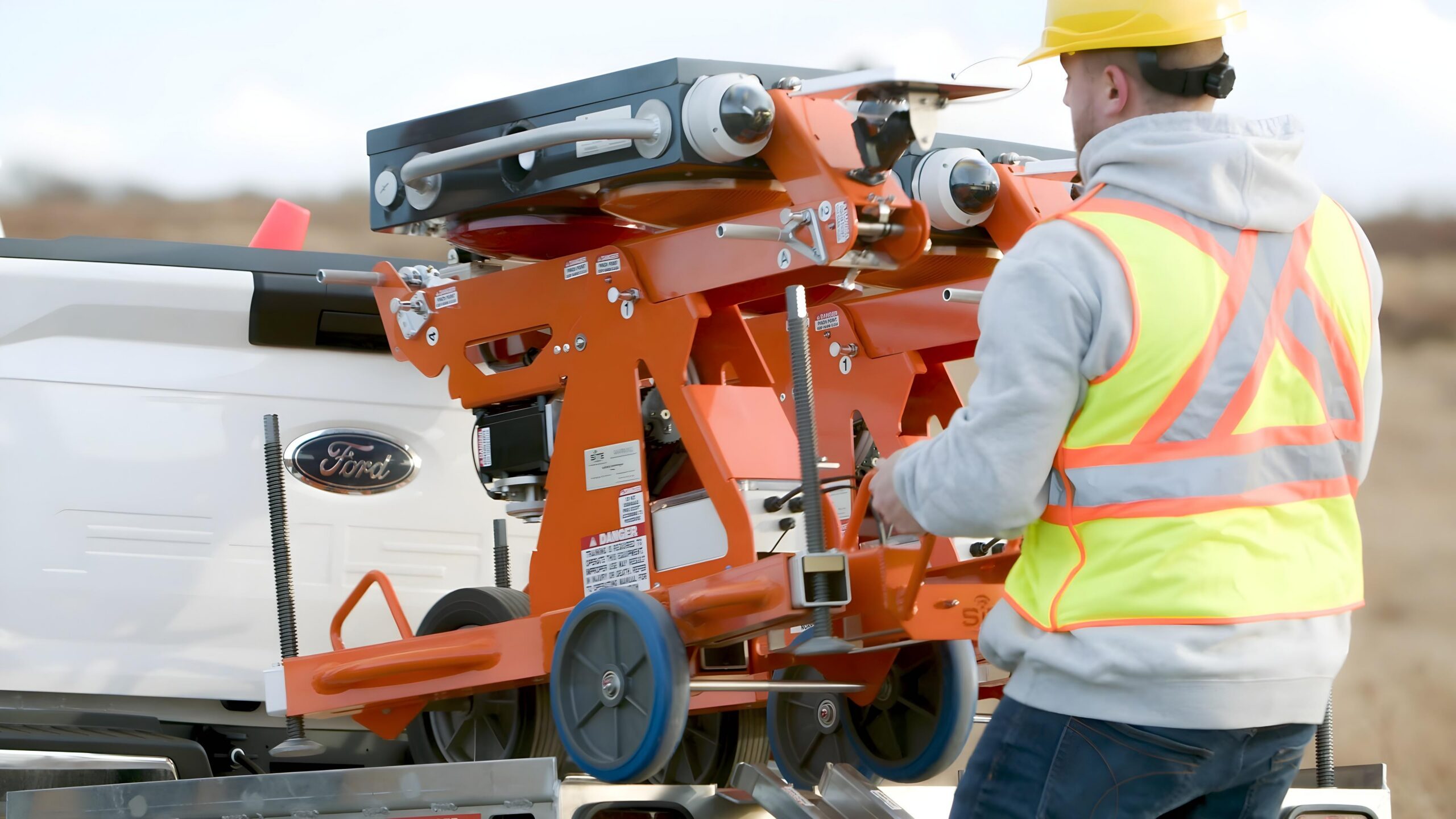
Automated Flagger Assistance Devices (AFADs)
AFADs replace the traditional hand flagger in alternating one-lane traffic scenarios. An operator controls the device from a safe distance, using an armgate mechanism to manage traffic flow.
Guardian Smart Sign
The Guardian Smart Sign is a radar-activated speed display sign that shows drivers their real-time speed as they approach a work zone.
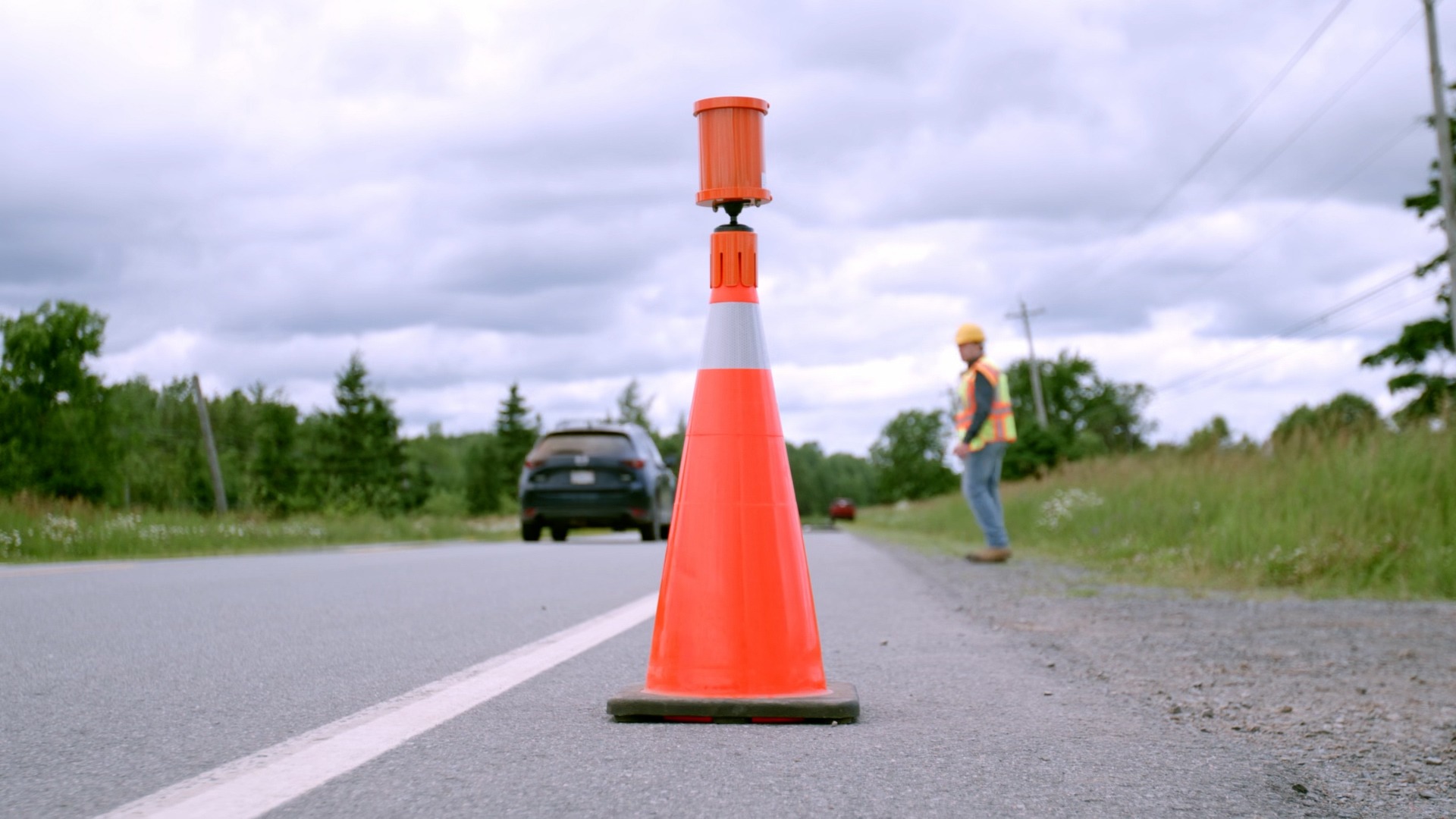
Guardian Cone Pro
The Guardian Cone Pro connects traffic cones to a monitoring system, allowing crews to track cone placement and condition remotely. If a cone is moved or knocked over, the system can alert the site manager.
Why organizations are adopting automated traffic control solutions
Traffic control technologies are gaining attention across the industry for practical benefits that directly impact worker safety, operational efficiency, and project outcomes.
Improving worker safety
Keeping workers out of active lanes is one of the most effective ways to reduce injury risk. AFADs and remote monitoring tools make that possible without compromising traffic direction quality.
Addressing labor shortages
Crews can cover more ground with fewer people when certain traffic control functions are automated, helping contractors stay on schedule even with limited staffing.
Increasing operational efficiency
Automated devices operate consistently and do not require breaks or shift changes. This improves throughput and reduces the chance of human error during long work windows.
Enhancing compliance and accountability
Digital logs and GPS data create a verifiable record of how traffic control devices were deployed, which is valuable for audits, incident reviews, and MUTCD compliance documentation.
Real-world applications of automated traffic control devices
Road construction projects
Large-scale road construction is where automated traffic control devices are most commonly deployed. Lane closures on multi-lane highways, overnight resurfacing operations, and extended pavement work all require consistent and dependable traffic management.
AFADs and smart signs help direct high volumes of traffic safely while reducing worker exposure to moving vehicles. These solutions also support smoother traffic flow around active construction zones.
Utility maintenance and emergency repairs
Utility repair crews often work in unpredictable locations and under significant time pressure. Setting up and removing traffic control quickly is essential to maintaining safe operations and restoring services efficiently.
Portable AFADs and connected cone systems allow crews to establish compliant work zones on short notice. This helps reduce the risk of accidents while minimizing disruptions during emergency roadway repairs.
Telecommunications and fiber installation projects
Fiber installation crews frequently work in residential neighborhoods and along busy roads where traffic conditions can change throughout the day. Limited space and moving work locations make traffic control more challenging.
Compact automated traffic control devices help smaller crews maintain safe work zones without requiring extensive personnel. Their portability makes them particularly effective for short-term and mobile installation projects.
Municipal road maintenance
City and county road crews handle a wide range of maintenance activities, from pothole repairs to pavement marking and sign replacement. These projects often require temporary work zones that must be set up and removed quickly.
Automated systems help municipalities maintain MUTCD-compliant traffic control with fewer staff resources. This can be especially valuable during overnight or off-hours maintenance operations.
Bridge and infrastructure rehabilitation
Bridge rehabilitation projects often take place near moving traffic or elevated structures where safety concerns are heightened. Maintaining controlled traffic flow is critical throughout the duration of the project.
Automated traffic control devices reduce the need for workers to stand close to passing vehicles. Remote monitoring tools also give supervisors greater visibility into work zone operations from a safe location.
Rural highway operations
Rural highways present unique traffic control challenges due to higher vehicle speeds and limited sight distances. Long stretches of roadway between intersections can make manual traffic control particularly hazardous.
AFADs allow traffic to be managed from a safe distance, reducing risks for roadside workers. Smart speed signs and connected warning devices also encourage drivers to slow down before entering the work zone.
Key features that make automated traffic control effective
Remote operation
The ability to control traffic management devices from a distance is one of the biggest advantages of automation. Operators can manage traffic flow from a safe location away from active travel lanes.
This significantly reduces worker exposure to moving vehicles and other roadway hazards. It also allows traffic control operations to continue efficiently without placing personnel in high-risk areas.
Real-time monitoring
Connected traffic control systems provide site managers with a live view of work zone conditions and device performance. This visibility helps teams stay informed about what is happening in real time.
If a sign malfunctions, a cone is displaced, or traffic patterns change unexpectedly, supervisors can quickly identify the issue and take corrective action before it becomes a safety concern.
GPS tracking and asset management
GPS-enabled traffic control devices create an accurate record of where equipment is deployed and when it is in use. This improves accountability and simplifies project documentation.
The technology also helps reduce equipment loss and makes it easier to verify work zone setups. Contractors can review deployment records if questions arise about compliance or site management.
Traffic data and analytics
Automated traffic control systems collect valuable data throughout a project, including vehicle speeds, traffic volumes, and device activity. This information provides deeper insight into work zone performance.
By analyzing this data, organizations can improve future traffic control plans, identify potential safety risks, and demonstrate compliance with project requirements and safety standards.
Conclusion
Automated traffic control devices are used across construction projects, utility work zones, municipal maintenance operations, and rural roadways. They help improve safety, support compliance, and reduce the need for manual traffic control.
As traffic control technology continues to evolve, these systems are becoming more connected and efficient. Organizations can use automated solutions to create safer, more consistent, and better-managed work zones.
Site 20/20 offers automated traffic control solutions for a variety of industries and project types. Contact our team to find the right traffic control technology for your next project.
Frequently asked questions
What are automated traffic control devices?
Automated traffic control devices are systems that help manage vehicle movement with minimal manual intervention. Examples include AFADs, portable traffic signals, connected traffic control equipment, and smart speed display signs.
What are the benefits of automated traffic control technology?
Automated solutions can improve worker safety, increase operational efficiency, support remote monitoring, and help maintain consistent traffic management throughout a project.
Where are automated traffic control devices commonly used?
They are commonly used in road construction projects, utility maintenance operations, telecommunications work, municipal maintenance activities, and infrastructure rehabilitation projects.
How do AFADs improve work zone safety?
AFADs allow traffic to be managed remotely, reducing the need for workers to stand near active traffic lanes. This helps lower exposure to potential roadway hazards.
Can automated traffic control solutions help reduce traffic delays?
Yes. Automated systems provide consistent traffic management and clear driver instructions, which can improve traffic flow and reduce congestion in many work zone environments.
How do connected traffic control systems support project management?
Connected systems provide real-time visibility into equipment status and work zone conditions. This information helps project managers monitor operations, improve efficiency, and respond quickly to changing conditions.