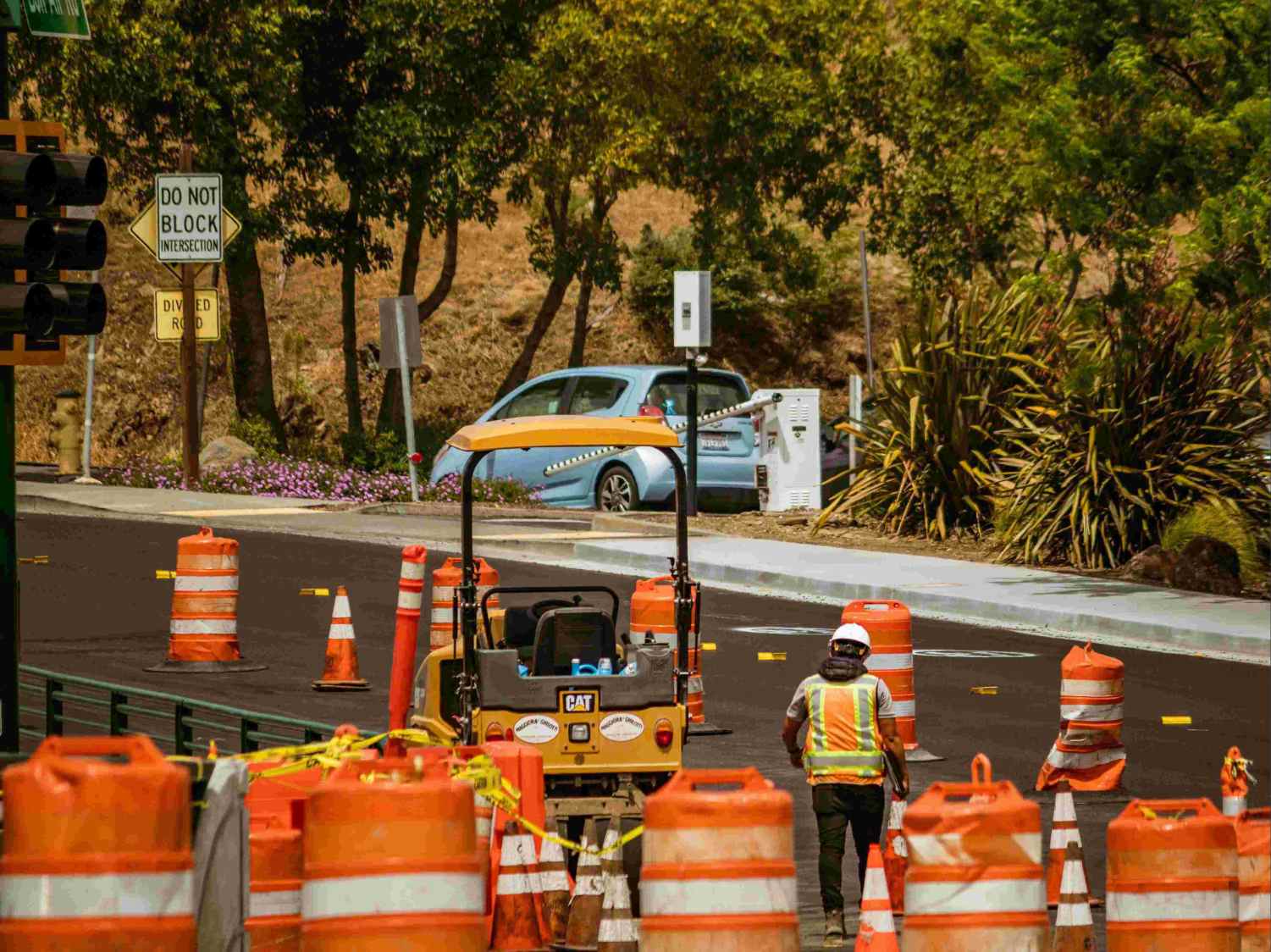

Running traffic control operations means keeping crews, schedules, and equipment coordinated throughout the day. Crews may move between jobs, schedules can change quickly, and equipment needs to be in the right place at the right time.
For years, spreadsheets have been a familiar way to manage all of this. They are affordable, easy to access, and simple to set up.
The problem is that spreadsheets become harder to manage as fleets grow and the number of active jobs increases. What worked well for a smaller operation can quickly turn into more manual updates, more files to check, and more time spent making sure everything matches.
That is why more contractors are moving to purpose-built traffic management software. A traffic control ERP can help address the day-to-day operational challenges that become increasingly difficult to manage with spreadsheets alone.
The limits of spreadsheets
Manual updates create more administrative work
Every time a dispatch changes, a crew gets moved to another job, or equipment is reassigned, someone has to update the spreadsheet manually. If even one change is missed, a crew could arrive without the right signage, or the same truck could end up being assigned to two different jobs.
As the number of active jobs grows, keeping those records up to date becomes increasingly time-consuming. Office teams can end up spending much of the day updating and double-checking information instead of scheduling crews, coordinating equipment, and keeping jobs moving.
Multiple files make information harder to keep consistent
Dispatch schedules, timesheets, and equipment logs are often stored in separate files, with different people responsible for updating each one. This makes it easy for information to fall out of sync.
If one file is updated but another is not, the records may no longer match. Someone then has to go back and figure out which version is correct, often after a payroll question or billing issue brings the discrepancy to light.
Crew and equipment tracking becomes fragmented
When information is spread across different rows, sheets, and files, it can be difficult to see which crew has which equipment, where they are working, and when those resources will be available again.
As companies add trucks, message boards, AFADs, and other specialized equipment, that lack of visibility becomes more significant. Dispatchers may need to check several places just to understand what is currently assigned and what is available for the next job.
Payroll and invoicing require repeated verification
When dispatch records and timesheets are kept separately, payroll teams often have to verify that submitted hours match the jobs crews actually worked.
The same records may need to be checked again when invoices are prepared to make sure the hours and work billed to the customer are accurate. Repeating this process across every job adds extra administrative work and increases the chance of errors.
Traffic control ERP vs. spreadsheets
The biggest difference is how information moves through the operation. Spreadsheets typically rely on manual updates across separate files, while a traffic control ERP keeps related information connected in one system.
| Task | Spreadsheets | Traffic Control ERP |
| Dispatch updates | Manual entry, with changes updated separately | Real-time updates visible across the operation |
| Crew and equipment visibility | Often tracked across different sheets | Combined view connected to each job |
| Confirmation tracking | Usually handled through calls or texts | Confirmation status available within the system |
| Payroll verification | Checked manually against dispatch records | Timesheets linked to dispatch information |
| Multi-office coordination | Shared files can create version issues | Centralized information available across locations |
| Reporting | Often requires manual formatting or exports | Filters and reporting tools are built into the system |
Why contractors are switching to ERP
Centralized dispatch improves day-to-day coordination
When dispatch, crew status, and job information are available in one system, office teams don’t have to check several places before making a decision.
Everyone can work from the same up-to-date information. That means fewer back-and-forth calls and texts just to confirm whether a schedule, assignment, or crew status has changed.
Equipment can be assigned and tracked with each job
An ERP can connect equipment directly to the job and crew using it. Dispatchers can see which trucks, signs, or specialized units have already been assigned without opening a separate equipment log.
That makes day-to-day planning easier and gives teams a clearer picture of what is available for upcoming work.
Connected time tracking supports payroll and billing
When timesheets are connected to dispatch records, payroll teams can quickly see which hours belong to each job without having to compare separate documents by hand.
The same information can then carry through to billing. Instead of re-entering and re-checking job details, teams can work from confirmed records already in the system.
Multi-office operations are easier to coordinate
Operations become more complicated when a company dispatches from several locations or regularly shares crews and equipment between offices.
A centralized ERP gives teams one shared view of those resources. This makes it easier to coordinate assignments without reconciling separate spreadsheets every time a crew member or piece of equipment moves between locations.
How Site 20/20’s ROADS supports traffic control operations
A dispatch board built around real job statuses
ROADS combines a drag-and-drop dispatch board for assigning crews and equipment with a real-time scoreboard that shows each job as unfilled, scheduled, no response, or confirmed.
Dispatchers can quickly see where the gaps are without piecing together information from separate calls or texts.
ROADS also helps prevent common dispatch errors. Suspended or terminated employees cannot be assigned to active jobs, while certification tracking for Guardian Smart Flagger operator tiers helps dispatchers identify who is qualified to use the equipment when building a crew.
Timesheets are submitted from the field, not chased down later
Crews can confirm assignments and submit timesheets through a mobile interface, with scroll-select entry designed to reduce manual data entry errors.
That record moves directly into payroll review and invoicing, so office staff can review one confirmed entry instead of reconciling a paper timesheet against a separate dispatch log.
One operational view across every office
For companies that share crews or equipment across locations, ROADS supports split-crew workflows and multi-office dispatching within the same system.
You can also filter jobs, contracts, and equipment by customer, date, or dispatch location, with one-click Excel exports for reporting or audits. That means pulling records for a specific office or time period doesn’t require searching through separate files.
Making the switch
Spreadsheets can still work well for a smaller traffic control operation with one office and a limited number of jobs. The challenge starts when crews, equipment, and daily job volume grow to the point where keeping everything up to date takes too much time and effort.
A dedicated ERP solution like Site 20/20’s ROADS traffic management software brings those moving parts into one connected system. Information entered during dispatch can carry through to time tracking, payroll, and invoicing, so teams don’t have to enter and check the same details in multiple places.
If you’re considering making the switch, booking a ROADS walkthrough lets you see the system in action, ask questions, and get a better sense of how it could fit into your current operations.
Frequently asked questions
Is a traffic control ERP only useful for large companies?
No. Companies managing multiple crews, jobs, or pieces of equipment can benefit from centralized dispatch even at a smaller scale. The value usually becomes more noticeable as job volume and operational complexity increase.
How long does it take to switch from spreadsheets to an ERP?
The timeline depends on the system and the size of the operation. Most companies need time to onboard, transfer existing information, and help staff get comfortable with the new workflow.
Does an ERP eliminate the need for manual payroll checks entirely?
No. Payroll teams still need to review and approve entries. The difference is that timesheets and dispatch records are connected, so there is less manual cross-checking between separate files.