One misplaced traffic sign can set off a chain reaction.
Consider this scenario: A utility crew arrives on-site before sunrise. The traffic control plan is in place, but overnight, strong winds knock over a warning sign. Drivers now have little notice of the work zone. Later that morning, inspectors arrive, and the contractor is left dealing with safety concerns, project delays, and compliance questions.
This example shows that maintaining a compliant work zone doesn’t end once it’s set up. Throughout the day, traffic signs can be moved by severe weather, passing vehicles, or even the public. Without a way to monitor these changes, contractors may not discover a problem until an inspection, or worse, after a safety incident.
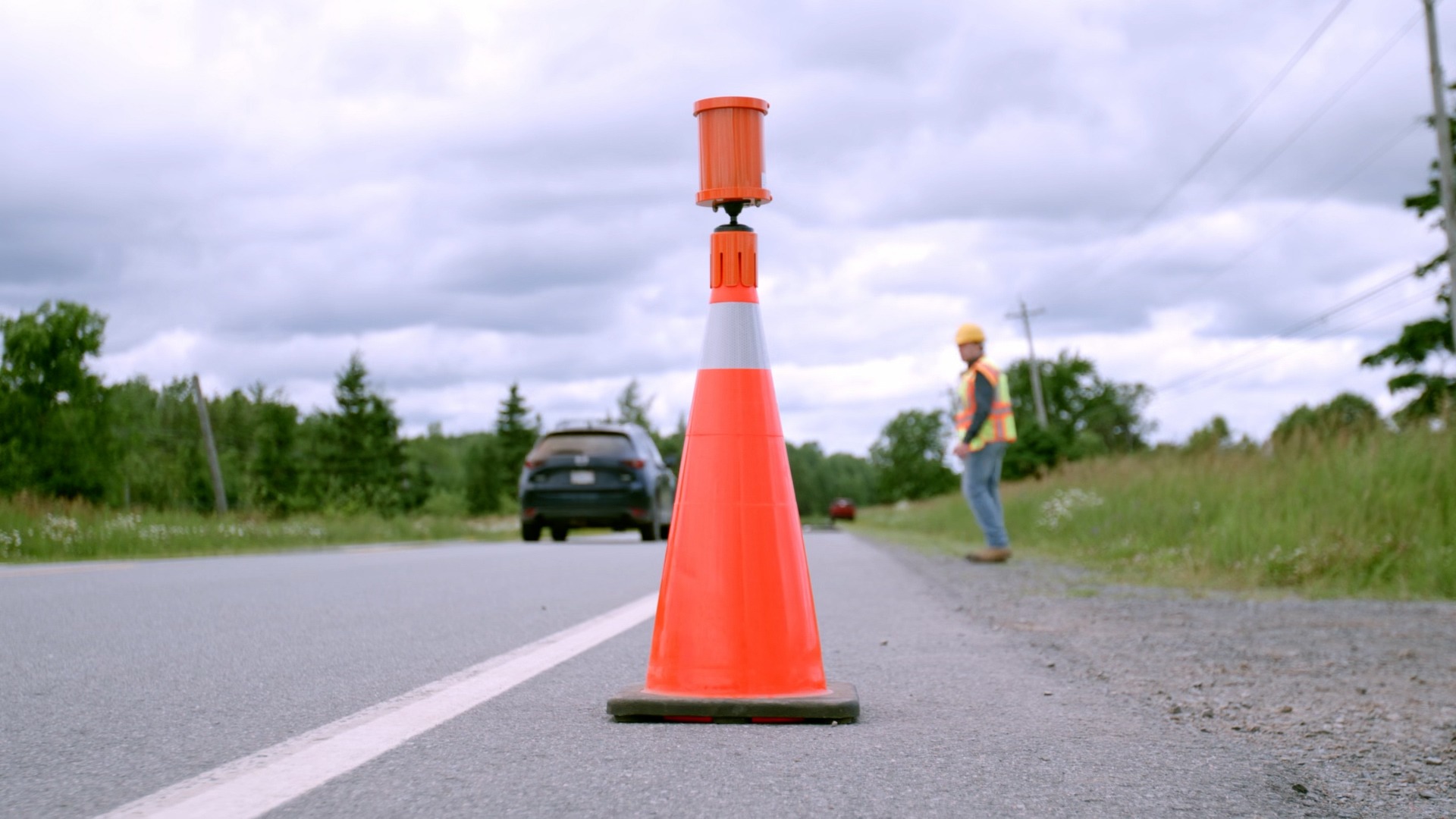
Guardian Smart Sign is a traffic control system that lets utility contractors verify sign placement remotely, receive alerts when signs are moved or disturbed, and maintain digital records that support compliance, all without relying on manual inspections.
Why compliance matters on utility job sites
Utility crews work close to live traffic every day. Gas lines, water mains, and electrical infrastructure often require work near active roadways, where traffic patterns can change quickly and crews depend on reliable traffic control setups.
In these constantly changing environments, compliance plays a critical role in keeping projects safe and on schedule. It helps ensure your traffic control plans for gas and utility projects are followed, your workers are protected, and your team is ready for inspections.
Even small issues can lead to bigger problems. A misplaced sign, a missing traffic control device, or a setup that no longer matches site conditions can increase safety risks and raise compliance concerns.
Common compliance risks utility contractors face
Incorrect sign placement
Signs positioned too close together, too far apart, or facing the wrong direction lose their effectiveness. These mistakes can happen during setup or as crews move through different phases of a project.
Missing or damaged traffic signs
Construction equipment, passing vehicles, or accidental impacts can damage signs throughout the workday. Missing signs may leave drivers without important warnings until someone notices the problem.
Signs moved by the weather, vehicles, or the public
Heavy rain, strong winds, snow removal equipment, and even unauthorized interference can shift traffic signs out of position. A work zone that was compliant in the morning may no longer meet requirements by the afternoon.
Lack of documented proof during inspections
Inspectors often need evidence that traffic control devices were installed correctly. Paper records and manual notes can be incomplete or difficult to verify after the fact.
Managing multiple active work zones simultaneously
Utility contractors often oversee several projects across different locations. Supervisors can’t physically visit every site multiple times a day, making it difficult to maintain consistent oversight.
Why traditional compliance checks aren’t enough
Many contractors still depend on manual inspections to confirm traffic control setups. While these inspections remain important, they also have limitations.
Time-consuming manual inspections
Driving from one job site to another takes valuable time. Supervisors may spend hours verifying conditions instead of focusing on project management and safety planning.
Limited visibility between site visits
A site may be fully compliant during a morning inspection. But if a sign is moved a few hours later, there’s no immediate way to know unless someone reports the issue.
Higher labor and travel costs
Repeated site visits increase fuel costs, vehicle wear, and labor hours. For contractors managing multiple projects across a large service area, these expenses can add up quickly.
Human error in documentation
Paper forms, photos, and handwritten notes depend on consistent recordkeeping. Missing information or delayed reporting can make it harder to demonstrate compliance during audits or investigations.
How Guardian Smart Road Sign helps reduce compliance risk
Technology gives utility contractors better visibility into field operations while reducing the need for constant site visits.
Real-time GPS tracking of every sign
Every equipped sign can be monitored through GPS, allowing managers to see its location throughout the project. This visibility helps quickly identify misplaced, missing, or potentially stolen equipment.
Instead of wondering whether signs are still where crews placed them, you have up-to-date location data when you need it.
Remote compliance verification
Remote monitoring allows supervisors to review job sites without traveling between locations.
With the Guardian Smart Traffic Sign, contractors can verify that signage is positioned in accordance with approved traffic control plans, reducing unnecessary site visits and supporting consistent oversight.
Instant alerts for moved or missing signs
Conditions on utility job sites can change unexpectedly.
If a sign is knocked over, moved, left behind, or tampered with, the system sends an alert so your team can respond promptly. Faster awareness helps reduce the amount of time a work zone remains out of compliance.
Automatic digital compliance records
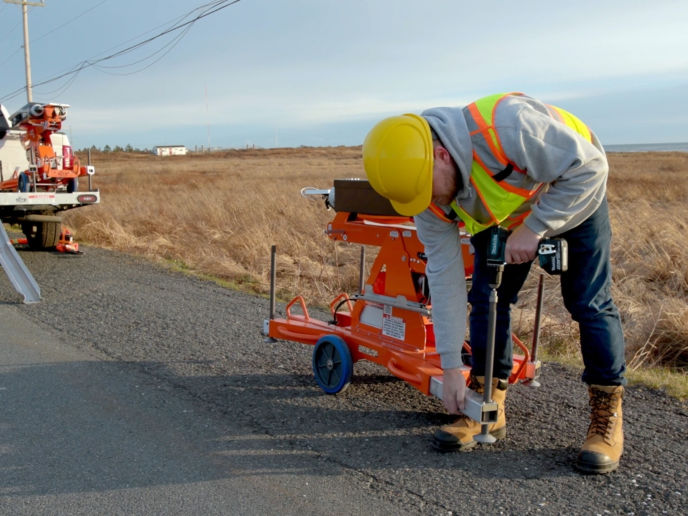
Every sign installation automatically creates digital records documenting setup information.
These records support internal reviews, simplify inspections, and provide documentation when questions arise about traffic control compliance.
Improved quality control
Consistency matters across every project.
The system helps verify sign spacing, direction, and placement against the approved traffic control plan. This creates a standardized process that helps reduce setup errors across multiple crews and locations.
Conclusion
Compliance risks on utility job sites are not slowing down. Crews are managing more projects, work zones change quickly, and traffic keeps moving alongside active operations every day.
That environment creates little room for error. In 2025, 60% of highway contractors experienced at least one car crash in their work zones. These challenges highlight why contractors need better visibility into their traffic control setups throughout every stage of a project.
The Guardian Smart Sign for work zones helps close that visibility gap by providing real-time sign monitoring, alerts, and digital documentation. Instead of relying solely on scheduled site inspections, contractors can stay informed about changing conditions and respond quickly when issues arise.
When you have better information available, you can make faster decisions, support safer work zones, and manage compliance with greater confidence. Book a demo with Site 20/20 today to see how Guardian Smart Sign can support your traffic control operations.
Frequently Asked Questions
What is the difference between smart signs and traditional traffic signs?
Traditional traffic signs provide visual guidance but require manual inspections to verify their condition and placement. Smart signs combine standard traffic control devices with connected technology that allows location tracking, remote monitoring, alerts, and digital documentation.
How does Guardian Smart Sign improve work zone safety?
It helps managers identify issues such as missing, moved, or damaged signs more quickly. Faster awareness allows crews to address potential hazards sooner, helping maintain safer traffic control throughout the project.
What is the Guardian Smart Sign?
Guardian Smart Sign is a GPS-enabled traffic sign monitoring solution. It allows contractors to remotely monitor sign locations, receive alerts when signs are disturbed, and maintain digital records that support compliance.
How does Guardian Smart Sign improve compliance on utility job sites?
The system provides real-time visibility into sign placement, generates digital compliance records, and alerts teams when signs are moved or damaged. These features help contractors monitor work zones with greater consistency while reducing reliance on manual inspections.
Can Guardian Smart Sign detect when a traffic sign has been moved?
Yes. If a monitored sign changes location unexpectedly or is disturbed, the system can notify the appropriate personnel so they can investigate and take corrective action.
Does Guardian Smart Sign create compliance reports?
Yes. The system records setup information digitally and allows users to generate reports that can be shared with project managers, contractors, inspectors, or transportation agencies.
Can Guardian Smart Sign be used across multiple job sites?
Yes. Contractors managing multiple active projects can monitor equipped signs across different locations through a centralized system, improving visibility and operational oversight.
Is Guardian Smart Sign compatible with different types of traffic signs?
Yes. It is designed to work with aluminum, wood, and roll-up traffic signs commonly used on utility and roadway projects.