A utility work zone can change in minutes. A warning sign may be moved, traffic conditions can shift, or a driver may miss temporary traffic controls. When these changes go unnoticed, they can increase risk for both workers and road users.
Visiting every active job site to verify traffic control isn’t always practical, especially when managing multiple crews. Technologies such as GPS-enabled signage, automated flagger assistance devices, and smart work zone solutions provide real-time visibility, helping supervisors monitor work zones remotely and respond faster when conditions change.
In this guide, you’ll learn how remote-monitored traffic control reduces incident risk, improves work zone oversight, and helps contractors maintain safer, more efficient utility operations.
Why gas and utility work zones present unique safety challenges
Working close to live traffic
Gas, water, telecom, and electrical crews often work just a few feet from passing vehicles. Drivers may be distracted or unfamiliar with temporary traffic patterns, making effective traffic control essential.
Frequent short-duration and mobile work zones
Many utility jobs require crews to work at multiple locations in a single shift. Every move requires signs, cones, and equipment to be repositioned correctly. As projects become more complex, maintaining consistency becomes increasingly challenging.
Limited visibility around excavation sites
Excavation equipment, parked vehicles, and road curves can limit what drivers see ahead. Properly placed traffic control devices help motorists recognize work zones earlier and respond safely.
High-speed roads and unpredictable driver behavior
Drivers don’t always slow down when approaching a work zone. Clear, consistent traffic control for gas and utility projects helps alert motorists to changing road conditions, guide them safely through the work zone, and support safer travel.
Multiple crews and equipment operating simultaneously
Large utility projects often involve several crews working across different locations. Supervisors may find it difficult to verify every work zone without spending valuable time traveling between sites.
The biggest causes of incidents in utility work zones
Driver intrusion into work zones
It only takes one vehicle entering the work area unexpectedly to put your crew at risk. Even with signs and cones in place, some motorists miss or ignore temporary traffic controls.
Distracted driving
Distractions behind the wheel remain one of the biggest challenges in work zones. A few seconds spent looking at a phone or navigation screen can significantly reduce a driver’s reaction time.
Poor traffic control visibility
If signs are difficult to see, damaged, or placed incorrectly, drivers have less time to react. Good visibility is essential for helping motorists navigate work zones safely.
Incorrect or missing signage
Traffic control plans rely on every sign being in the right place. A missing or misplaced sign can confuse drivers and increase the likelihood of incidents or compliance issues.
Limited awareness of approaching vehicles
Crews are focused on the job at hand, not constantly watching traffic. Without additional warning systems, approaching vehicles may not be noticed until they’re dangerously close.
Limitations of manual traffic control
Traditional traffic control relies heavily on personnel to monitor changing conditions. As work zones become busier and more complex, manually tracking every change becomes increasingly difficult.
Delayed response to changing site conditions
Traffic volumes fluctuate, signs can shift, and weather can reduce visibility. If these changes aren’t identified quickly, they can increase risk for both workers and road users.
How remote traffic control reduces work zone incidents
Reduces workers’ exposure to live traffic
Certain traffic control activities can be managed from safer locations, reducing the amount of time workers spend near moving vehicles. Remote traffic control systems supports safer operations while maintaining efficient traffic flow.
Detects hazards before they become incidents
Connected devices continuously monitor changing work zone conditions and provide alerts when attention is needed. Early warnings allow crews to respond before minor issues develop into serious incidents.
Verifies that traffic control devices remain compliant
Manually checking every sign across multiple projects can be difficult. Smart technology enables contractors to monitor and manage traffic control devices remotely, helping ensure equipment remains properly positioned throughout the workday.
Gives supervisors complete visibility across every work zone
Live monitoring gives supervisors a centralized view of active projects, making it easier to identify potential issues, coordinate responses, and support field crews without frequent site visits.
Creates documentation that protects contractors
Digital records help demonstrate that traffic control devices were deployed correctly and maintained throughout the project. This documentation supports internal reviews, customer reporting, and regulatory inspections.
Traffic control technologies that improve remote oversight
Guardian SmartFlagger
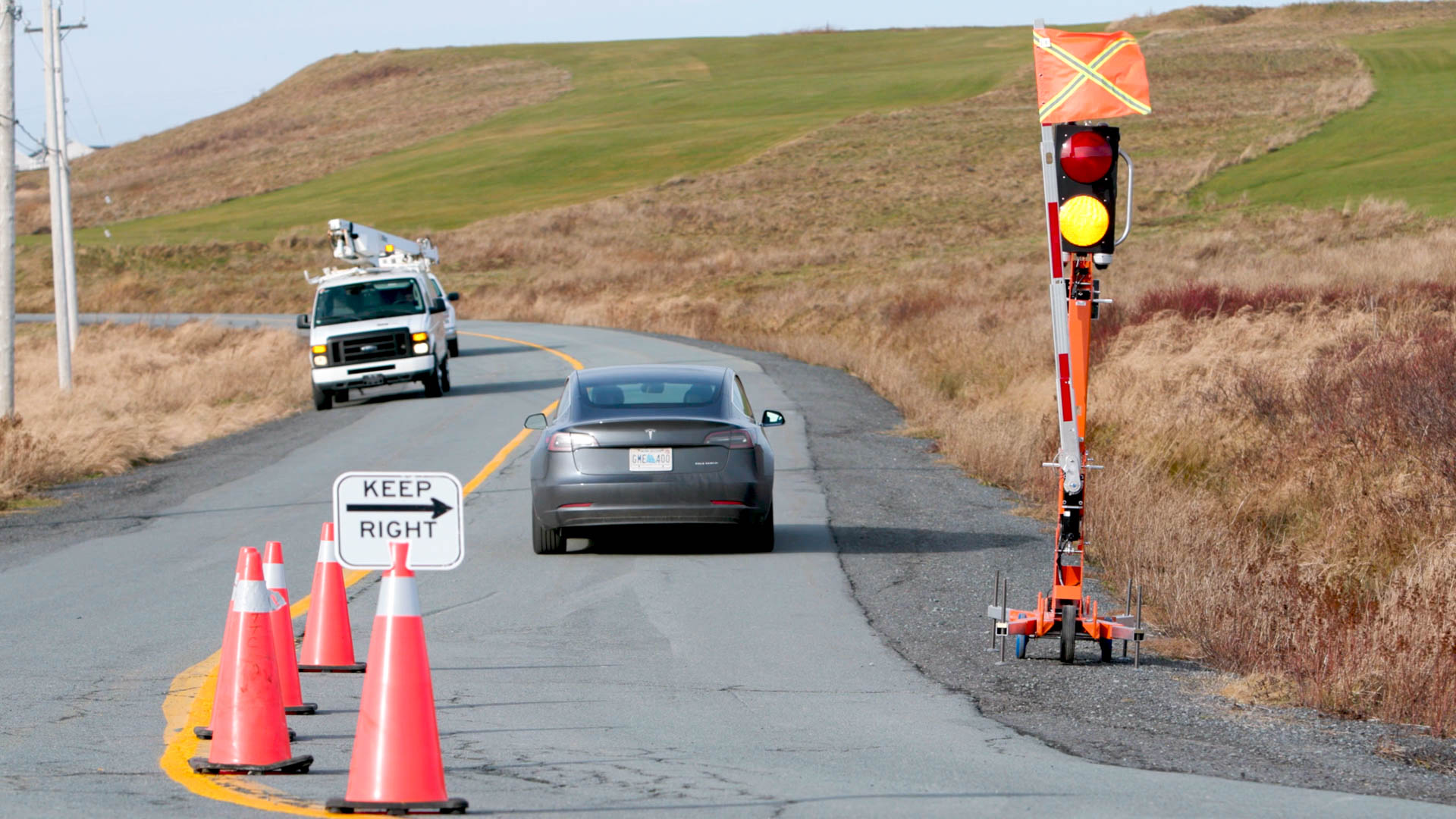
Traffic control personnel often work in high-risk areas where they are exposed to moving vehicles. Guardian SmartFlagger helps reduce that exposure by allowing flagging operations to be managed from a safer location.
Live camera feeds, remote operation, and real-time communication give operators a clear view of both ends of the work zone. This allows crews to respond quickly as traffic conditions change while keeping workers farther from active traffic.
Guardian Cone Pro
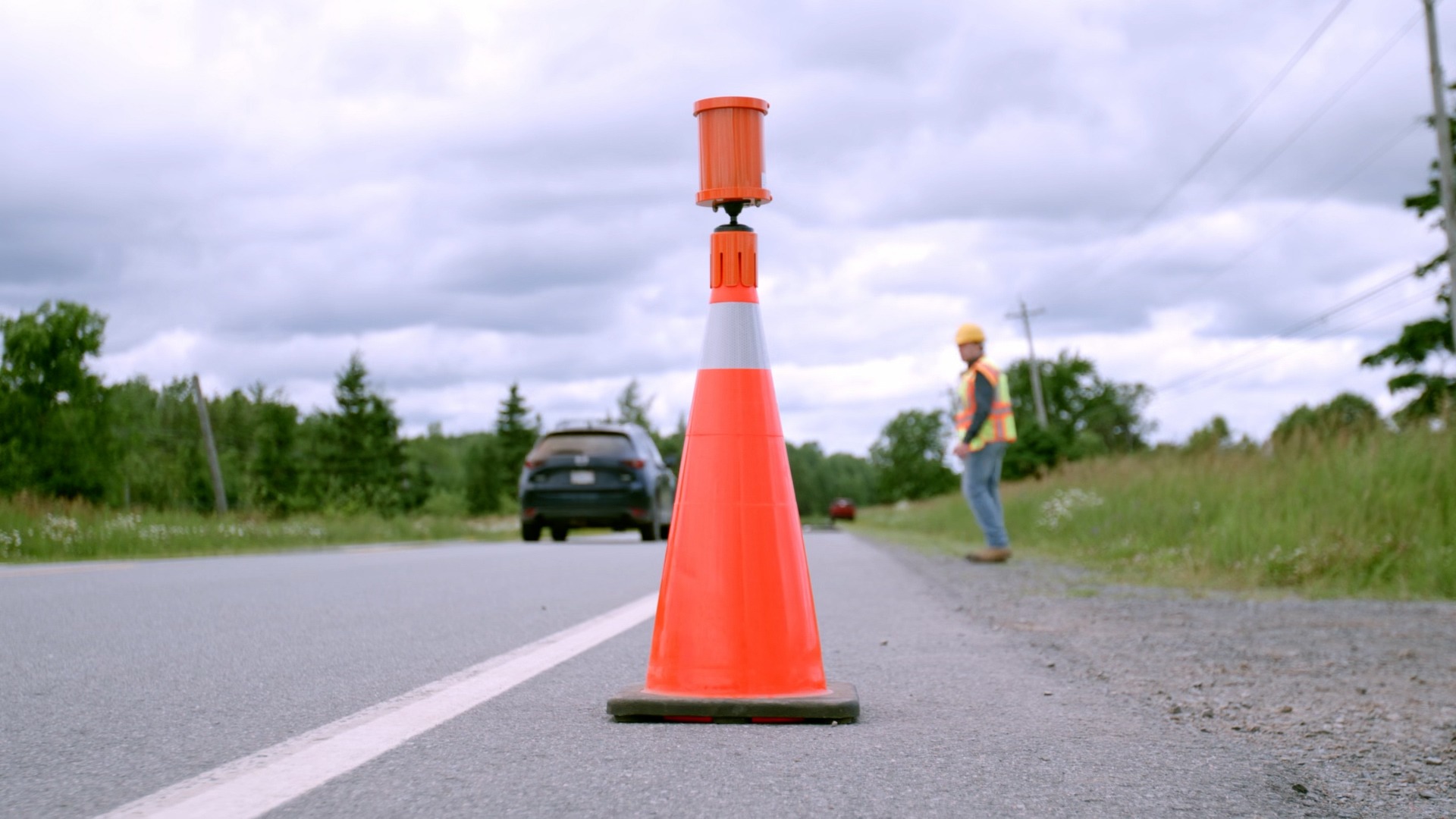
Approaching vehicles can create hazards before workers are aware of them. Guardian Cone Pro monitors vehicle speed and movement, then provides immediate alerts when traffic enters a designated zone.
These early warnings give crews extra time to react, particularly on high-speed roads or projects with limited visibility. The system also collects traffic data that contractors can use to evaluate work zone performance and improve future planning.
Guardian Smart Sign
Temporary signs can shift during the workday because of weather, equipment movement, or accidental contact. Guardian Smart Sign helps contractors verify that signs remain in the correct location without relying entirely on manual inspections.
Using GPS tracking and automatic notifications, supervisors can quickly identify signs that have been moved or require attention. The system also creates digital records that support compliance and simplify reporting for project owners and inspectors.
How Site 20/20 supports safer gas and utility work zones
A 2025 industry survey found that 60% of highway contractors experienced a vehicle crashing into a work zone during the previous year, and 43% of those incidents resulted in a worker injury.
Site 20/20 developed its Guardian product line for utility crews that can’t afford slow response times. Whether you’re running a single utility crew or coordinating several sites at once, a smart work zone built around real-time data gives you a real safety advantage.
Ready to see what remote-monitored traffic control looks like on your sites? Book a demo with Site 20/20, and we’ll show you how it works.
Frequently Asked Questions
Why is traffic control important in utility work zones?
Traffic control helps separate workers from moving traffic, guides drivers safely through changing road conditions, and supports compliance with approved traffic control plans. Proper traffic management reduces confusion and helps create a safer environment for workers and the public.
How does remote traffic control reduce work zone incidents?
Remote traffic control reduces incident risk by improving visibility into the work zone, allowing supervisors to identify changing conditions sooner, verify traffic control devices, and respond quickly when issues arise. It also helps reduce unnecessary worker exposure to active traffic.
What technologies are used in connected work zones?
Connected work zones may include automated flagger assistance devices, smart traffic sensors, GPS-enabled traffic signs, live camera systems, and cloud-based monitoring platforms. These technologies work together to improve communication, visibility, and safety.
Can remote-monitored traffic control help with regulatory compliance?
Yes. Connected systems can verify traffic control device placement, provide automatic alerts when equipment is moved, and generate digital records that support inspections and project documentation.
How do smart traffic control systems reduce operational costs?
They reduce unnecessary site visits, improve equipment tracking, simplify inspections, and help supervisors manage multiple work zones more efficiently. Better visibility also helps identify issues before they cause delays or require additional labor.
Is remote-monitored traffic control suitable for short-term utility projects?
Yes. Short-duration projects often involve frequent setup changes, making remote monitoring especially valuable. Contractors can verify work zone conditions without repeatedly traveling between locations.
Which utility projects benefit most from connected traffic control?
Gas distribution, water main repairs, electrical maintenance, telecommunications work, and emergency utility repairs can all benefit from improved visibility and faster communication across the work zone.