Modern road infrastructure is evolving faster than ever, and expectations around safety and efficiency continue to rise. As traffic volumes increase and construction activity expands, intelligent traffic management systems are becoming essential in helping teams manage complex work zones with greater precision and control.
These systems are reshaping how construction areas operate by improving visibility, enhancing coordination between teams, and enabling real-time decision-making across busy road networks. As a result, traditional traffic control methods are no longer sufficient to meet today’s safety demands.
Understanding smart work zones in modern road infrastructure
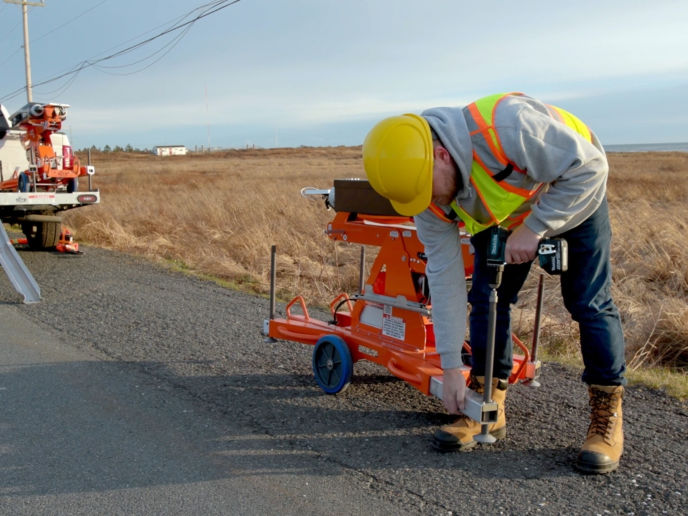
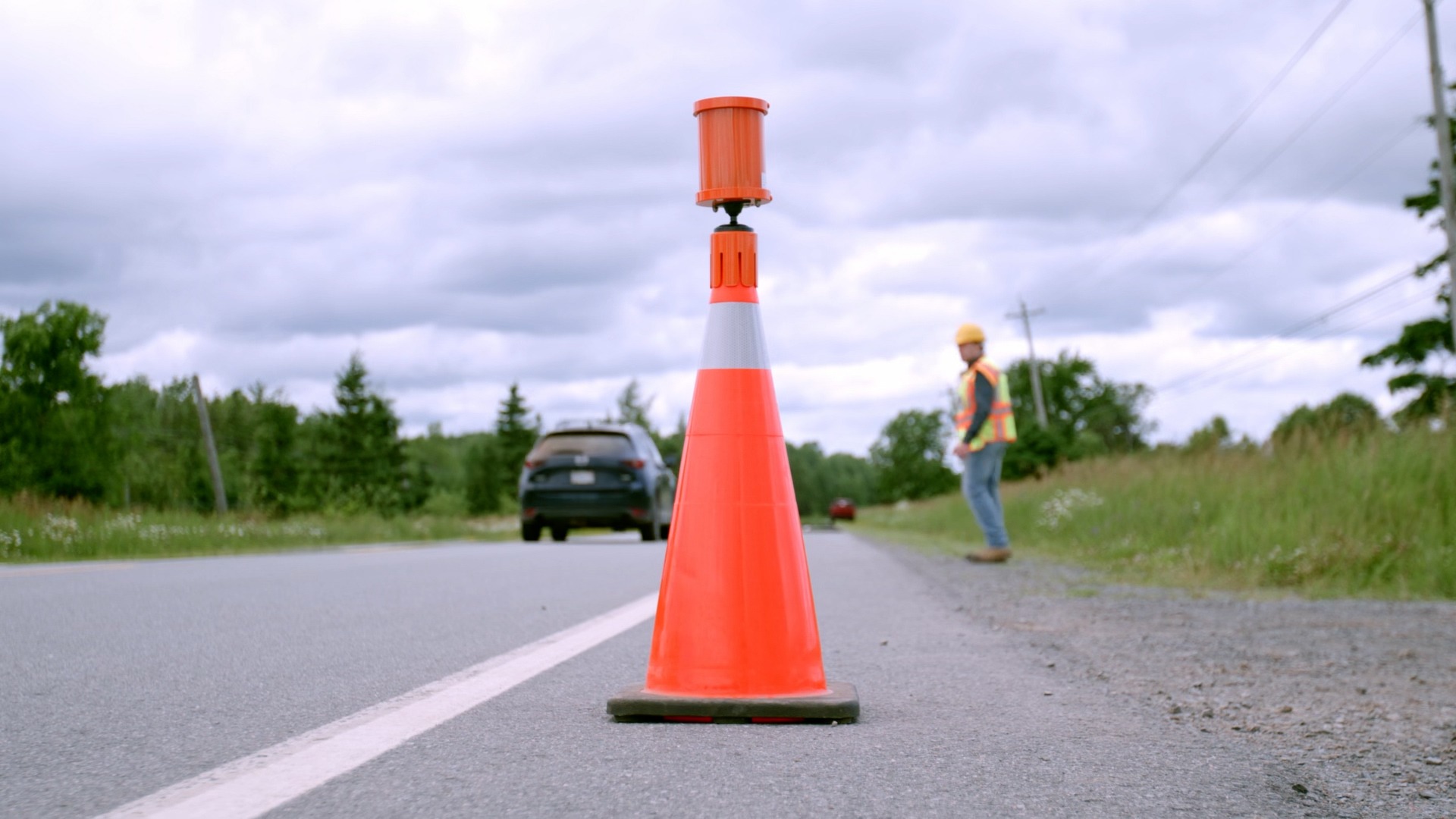
Smart work zones are digitally enhanced traffic control environments that use connected devices, sensors, and automation to improve safety and efficiency in road construction areas. These systems replace static, manual approaches with real-time communication and monitoring tools that adapt to changing traffic conditions.
Instead of relying only on human-operated signals, smart work zones use data-driven insights to guide traffic, reduce congestion, and minimize risk for both workers and drivers.
Why traditional work zones need an upgrade
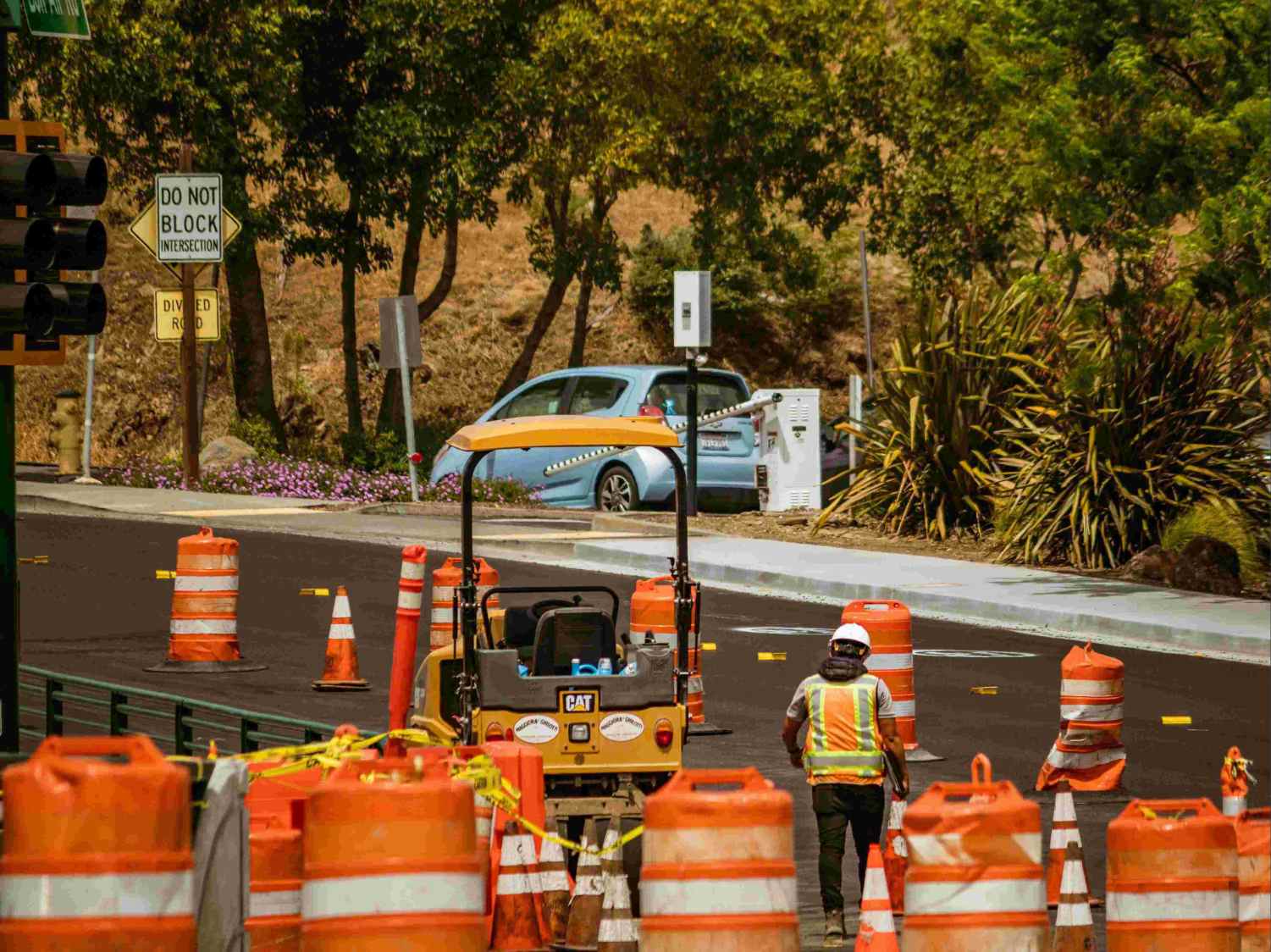
Conventional traffic control setups often depend on manual flagging, static signage, and limited communication between field teams. While these methods are still widely used, they can create safety gaps such as delayed response times, reduced visibility at night, and inconsistent traffic flow management.
These limitations underscore the need for advanced traffic control technology that enables connected, responsive systems operating dynamically in real-time environments.
How technology is transforming road safety
The rise of digital infrastructure has reshaped how modern road safety is managed. Below are the key ways technology is improving traffic control and work zone performance.
1. Real-time connectivity across road networks
Modern systems enable constant communication between vehicles, roadside equipment, and traffic control centers. This connected environment allows information to move instantly, improving coordination across entire transportation networks.
2. Smarter and faster decision-making
With live data from sensors, cameras, and connected devices, traffic operators can make more accurate decisions in real-time. This reduces dependence on manual reporting and helps resolve issues as they develop.
3. Faster emergency and incident response
When congestion, accidents, or unexpected disruptions occur, digital systems help identify and communicate the issue immediately. This allows traffic managers to respond faster and reduce risk in active work zones.
4. Integration of intelligent traffic systems in cities
An intelligent traffic management system for smart cities supports seamless integration between urban infrastructure and traffic operations. It helps manage high traffic volumes while improving overall flow and safety.
5. Improved work zone safety for workers and drivers
Connected monitoring tools and automated alerts enhance awareness inside work zones. This reduces human exposure to dangerous traffic conditions and lowers the chances of on-site incidents.
6. Better traffic flow optimization
Technology helps adjust traffic movement based on real-time conditions. This reduces bottlenecks, prevents unnecessary delays, and keeps vehicles moving more efficiently through construction areas.
7. Enhanced predictive capabilities
Advanced analytics can identify patterns in traffic behavior and predict potential congestion or risk points. This allows teams to take proactive measures before problems escalate.
8. Reduced human error in traffic control
Automation reduces reliance on manual operations such as flagging and static signaling. This minimizes the risk of miscommunication and improves consistency in traffic management.
9. Stronger coordination between field teams
Connected platforms improve communication between field crews, supervisors, and traffic control centers. This ensures everyone works with the same real-time information.
10. More reliable data for long-term planning
Collected traffic data helps agencies and contractors improve future project planning. It supports better resource allocation and more efficient work zone design.
How smart work zones improve safety outcomes
Smart work zone technology enhances safety by reducing human exposure to high-risk areas and improving situational awareness across the entire work zone.
By using automated alerts and real-time monitoring, these systems help prevent collisions, improve driver reaction times, and ensure safer navigation through construction areas.
The result is a more controlled environment where risks are identified and managed proactively rather than reactively.
The future of connected road safety
The future of road infrastructure is moving toward fully connected environments where vehicles, infrastructure, and control systems communicate seamlessly.
Emerging innovations will continue to enhance automation, improve predictive safety measures, and support more efficient traffic flow across both urban and highway settings.
As this transformation continues, Site 20/20 delivers these capabilities through advanced technology and professional expertise, helping ensure that work zones operate with greater safety, efficiency, and control.
Conclusion
Smart work zones represent a major shift in how road safety is managed during construction projects. By combining connectivity, automation, and real-time data, these systems create safer conditions for workers and drivers while improving operational efficiency.
As infrastructure demands continue to grow, the integration of intelligent transportation systems will play a key role in building safer and more resilient road networks.
Frequently asked questions
What is an intelligent traffic management system?
An intelligent traffic management system is a technology-driven approach that uses sensors, communication networks, and data analytics to monitor and control traffic flow. It helps improve safety, reduce congestion, and enhance decision-making in transportation networks.
How do smart work zones improve safety?
Smart work zones improve safety by using real-time monitoring, automated alerts, and connected devices to reduce risks in construction areas. These systems help drivers navigate safely and allow faster responses to changing road conditions.
What technology is used in smart work zones?
Smart work zones use a combination of sensors, connected signage, automated control systems, GPS tracking, and cloud-based platforms. These tools work together to provide real-time traffic insights and improve coordination.
How do smart work zones reduce traffic accidents?
Smart work zones reduce traffic accidents by improving driver awareness, providing timely warnings, and adjusting traffic flow based on real-time conditions. This reduces sudden stops, confusion, and high-risk interactions in construction areas.
How is an intelligence-driven traffic management system different from traditional methods?
An intelligence-based traffic management system uses real-time data and automation, unlike traditional methods that rely on manual controls and static sign age.