Creating and maintaining a safe work zone isn’t just a regulatory requirement—it’s a fundamental responsibility that protects workers, motorists, and pedestrians alike. As infrastructure projects expand across North America, implementing comprehensive safety measures becomes increasingly critical. Work zones present unique challenges that demand thoughtful planning, innovative solutions, and consistent monitoring to ensure everyone’s well-being.
In today’s rapidly evolving traffic safety landscape, traditional approaches are being enhanced by smart technologies that offer unprecedented levels of protection and efficiency. These advancements are transforming how work zone solutions are implemented, achieving higher safety standards while optimizing operational costs. Site 20/20, a leading work zone safety company, is dedicated to providing effective work zone products and innovative solutions that improve safety and efficiency in these environments.
This guide explores the essential components of work zone preparation, from identifying common hazards to implementing cutting-edge smart work zone technologies. Whether you’re managing a short-term maintenance project or overseeing a long-term construction initiative, these best practices will help you establish and maintain a work environment where safety is paramount.
What Are the Most Common Hazards in a Work Zone?
Before exploring prevention strategies, it can be helpful to revisit the complex dangers that workers and the public face in work zones. Reviewing these hazards is the first step toward mitigating them effectively:
-
Moving vehicles and equipment: Heavy machinery, construction vehicles, and passing traffic create constant motion hazards. The proximity of workers to these moving objects increases the risk of struck-by incidents.
-
Limited visibility: Construction dust, weather conditions, and nighttime operations can severely reduce visibility for both workers and motorists.
-
Noise pollution: The constant sound of machinery and traffic makes it difficult for workers to hear warning signals or approaching vehicles.
-
Changing traffic patterns: Motorists sometimes struggle to adjust to lane shifts, closures, and detours, increasing the likelihood of accidents.
-
Inadequate barriers: Insufficient or improperly placed barriers fail to provide necessary protection between work areas and live traffic.
-
Worker fatigue: Long shifts, physically demanding tasks, and exposure to elements can lead to decreased alertness and slower reaction times.
-
Pedestrian confusion: Unclear walkways and insufficient signage can lead pedestrians into dangerous situations.
-
Weather-related dangers: Rain, snow, ice, extreme heat, and high winds create additional challenges that increase accident risk.
-
Improper traffic control: Poorly designed or implemented traffic management plans can lead to confusion and dangerous situations for motorists and workers alike.
-
Communication failures: Inadequate communication between team members, especially during critical operations, can result in serious accidents.
Bearing these common hazards in mind allows safety managers to develop comprehensive strategies that address each risk factor. A work zone safety company with experience in identifying and mitigating these dangers can be invaluable in creating a truly secure environment.
Why is Work Zone Safety So Important?
Work zone safety is vital for several reasons, both from a human and a business perspective. Ensuring the safety of workers, pedestrians, and drivers is not just a regulatory requirement but an ethical responsibility. Here’s why it matters:
-
Protects workers: The primary reason for prioritizing work zone safety is to protect workers. Construction and maintenance workers are vulnerable to accidents when working close to traffic and heavy equipment. Adequate safety measures reduce the likelihood of serious injuries and fatalities.
-
Prevents accidents: Effective safety protocols help prevent accidents, protecting both workers and the public. A proactive approach to work zone safety can help prevent accidents and traffic-related injuries.
-
Legal and regulatory compliance: Failure to comply with safety regulations can result in legal consequences, fines, or project delays. Complying with local and federal safety standards is crucial to avoid these risks and maintain project timelines.
-
Enhances operational efficiency: A well-managed work zone improves traffic flow, reducing congestion and delays. This increases the overall efficiency of the project and helps avoid costly disruptions.
-
Boosts company reputation: Companies known for maintaining high safety standards tend to enjoy a better reputation, fostering trust among clients, stakeholders, and the community.
What Is a Smart Work Zone?
A smart work zone represents the integration of advanced technologies into traditional traffic management systems to enhance safety, improve traffic flow, and provide real-time information to both workers and motorists. Unlike conventional work zones that rely primarily on static signs and human flaggers, smart work zones leverage digital tools like sensors, cameras, and communication systems to detect hazards, inform workers of potential risks, and adjust traffic control measures as needed.
Smart work zones deliver wide-ranging benefits. For one, motorists face fewer delays and receive clearer information about road conditions. For another, workers enjoy greater protection from traffic-related hazards. Additionally, project teams gain insights that help optimize resources and boost efficiency, and transportation departments benefit from reduced congestion and fewer accidents in construction areas.
As a leader in work zone traffic control solutions, Site 20/20 has been at the forefront of smart work zone implementation that addresses the unique challenges of today’s construction and maintenance projects.
How to Implement a Smart Work Zone for Improving Safety
Implementing a smart work zone involves several steps, which ensure safety measures are in place and the work zone is managed effectively.
Pre-Planning: The Foundation of a Safe Work Zone
Thorough preparation before breaking ground is perhaps the most crucial step in ensuring work zone safety. This planning phase should include:
-
Comprehensive site assessment: Evaluate the specific challenges of your location, including traffic patterns, visibility issues, physical constraints, and environmental factors. This assessment forms the foundation of your safety strategy.
-
Detailed traffic control plan: Develop a plan that outlines how vehicles navigate the work zone. This should include the placement of all signage, barriers, and traffic control devices following the Manual on Uniform Traffic Control Devices (MUTCD) standards.
-
Flagger training programs: Ensure all personnel understand safety protocols, emergency procedures, and the specific hazards associated with the project.
-
Risk assessment and mitigation: Identify potential hazards for your project and develop targeted strategies to address each. This process should be ongoing throughout the project lifecycle.
-
Resource allocation: Ensure adequate personnel and work zone products are available to implement your safety plan effectively. This includes scheduling appropriate shifts to prevent worker fatigue.
By investing time in comprehensive pre-planning, you establish a strong foundation for safety that will support all subsequent phases of your project. This proactive approach not only protects lives but also prevents costly disruptions and delays.
Deploy a Smart Work Zone Technology for Enhanced Safety
Smart work zone technologies like the Guardian SmartFlagger and Guardian Cone Pro are key to improving safety.
-
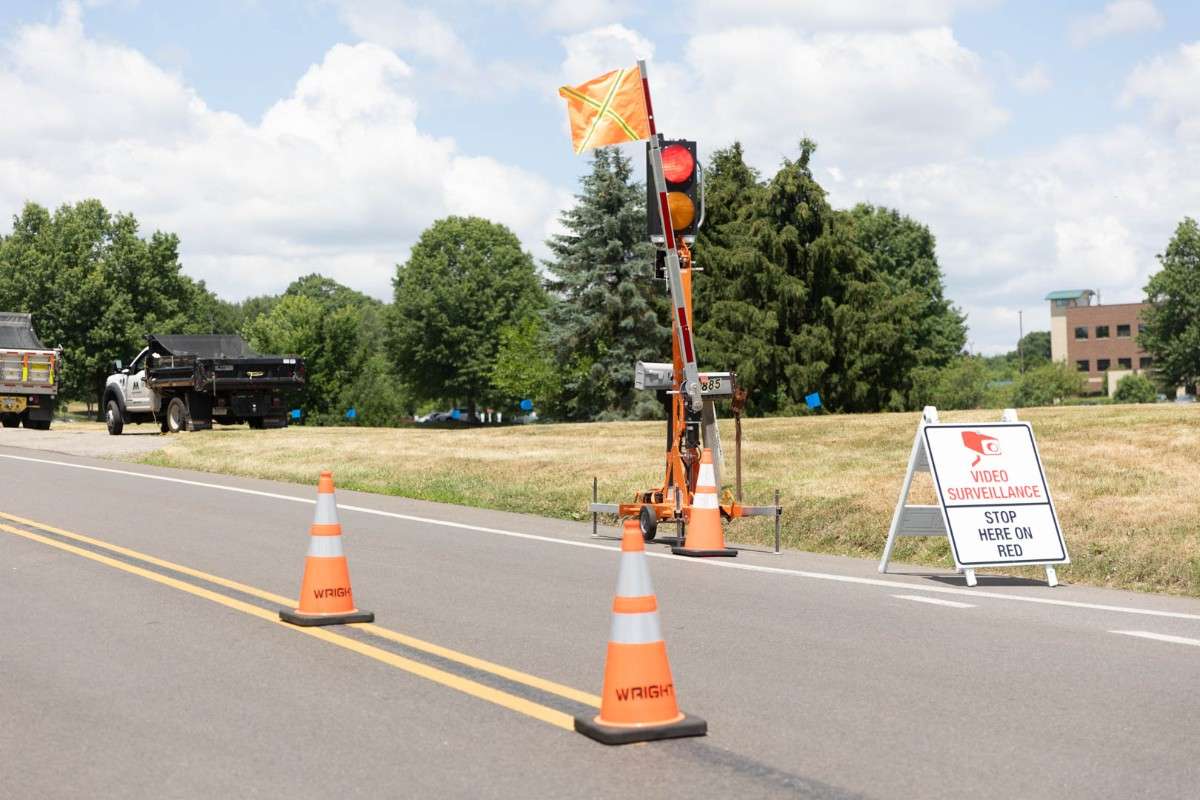
Guardian SmartFlagger: This Automated Flagger Assistance Device controls traffic flow without requiring workers to be physically present in hazardous areas. The system utilizes real-time data to adjust traffic signals, enhancing safety and reducing the risk of accidents. With remote management capabilities, Guardian SmartFlagger enables more efficient traffic management and ensures workers are not exposed to unnecessary risks.
-
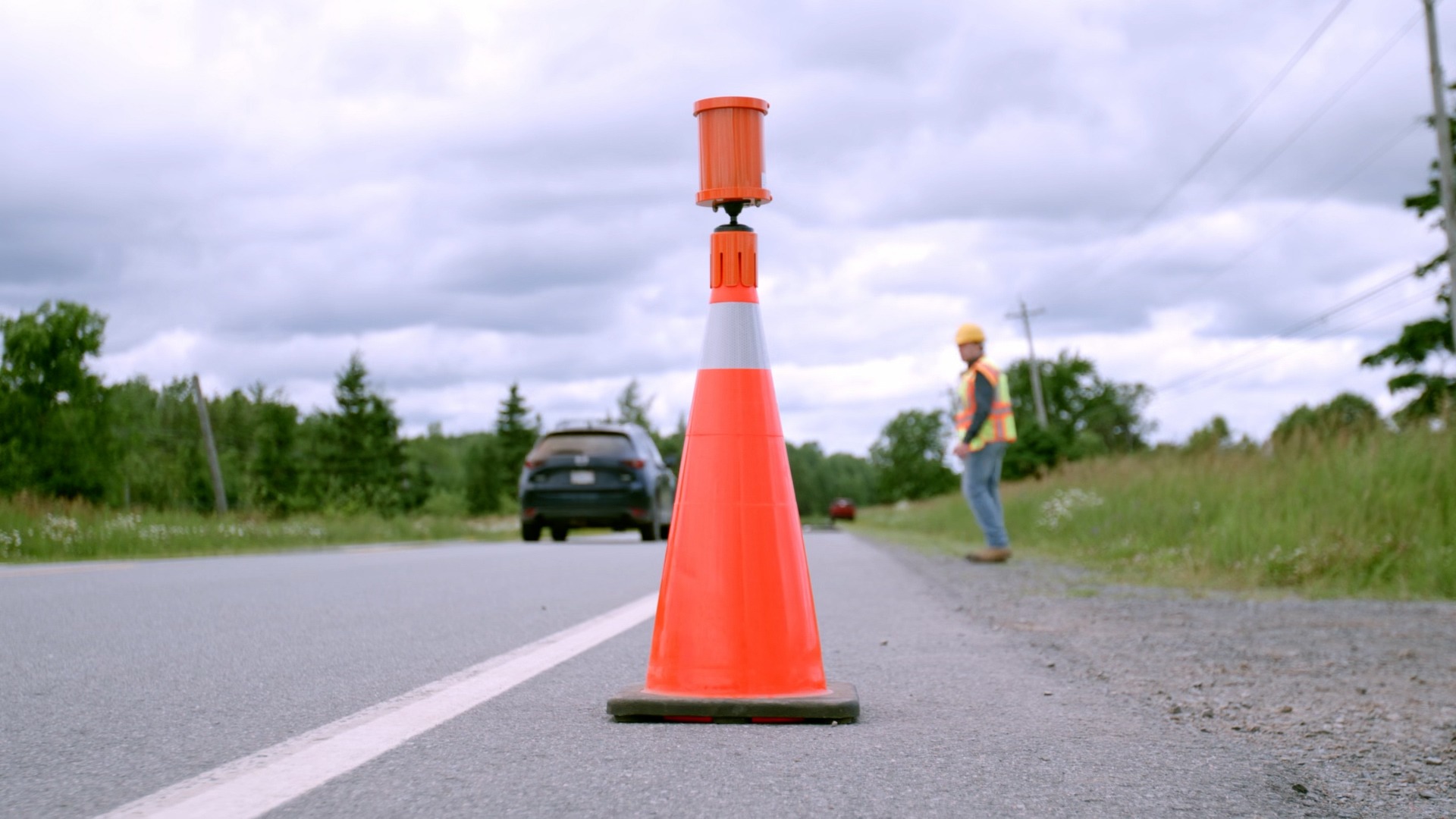
Guardian Cone Pro: The Guardian Cone Pro plays a critical role in enhancing worksite safety by extending the safety zone around a worksite and providing real-time alerts to workers about incoming traffic. This innovative product uses advanced sensors and real-time data to monitor traffic conditions and alert workers of vehicles approaching the work zone, along with their speeds. Whether you’re managing a one-person job or coordinating larger crews, the Guardian Cone Pro acts as an extra pair of eyes on the road, ensuring that workers are fully aware of any potential hazards.
Introduce Real-Time Monitoring Systems
The ability to continuously monitor conditions within and around a work zone represents one of the most significant advancements in traffic management technology. Real-time monitoring systems provide invaluable data that enables proactive decision-making and rapid response to changing conditions.
Modern monitoring solutions typically include:
-
Traffic sensors that collect data on vehicle speeds and volumes, allowing for early detection of potential congestion issues.
-
Video surveillance systems that provide visual confirmation of conditions and incidents, supporting both safety management and documentation needs.
The advantages of implementing these systems include:
-
Early warning of developing traffic issues, allowing for preemptive action before problems escalate.
-
Data-driven decision-making for resource allocation and traffic management adjustments.
-
Enhanced incident response capabilities through immediate awareness and visual confirmation.
Stay Compliant with Local and Federal Regulations
Navigating the complex landscape of safety regulations is crucial to work zone management. Compliance isn’t just about avoiding penalties—it’s about ensuring that your safety measures meet established standards developed through extensive research and experience.
Key regulatory considerations include:
-
MUTCD (Manual on Uniform Traffic Control Devices) requirements for advanced signage and traffic control devices. These standards ensure consistency across work zones, reducing confusion for motorists who may encounter multiple projects.
-
State-specific regulations may impose additional or more stringent requirements. Being familiar with the particular rules in your project’s location is essential.
Monitor and Adjust as Conditions Change
Even the most carefully planned work zone requires ongoing attention and adjustment as conditions evolve. Weather changes, unexpected traffic patterns, project progression, and other variables necessitate a dynamic safety management approach.
Effective monitoring and adjustment strategies include:
-
Conducting regular safety audits at different times of day and under varying conditions to identify potential issues before they lead to incidents.
-
Data analysis from traffic monitoring systems to identify patterns and trends that might indicate developing problems.
-
Established procedures for implementing changes when necessary
Site 20/20’s smart work zone technology, like Guardian SmartFlagger, allows for real-time adjustments, ensuring traffic control measures remain effective as conditions evolve.
In Conclusion
Preparing for a safe work zone is an ongoing process that requires careful planning, the right technology, and constant vigilance. By implementing smart work zone solutions, such as the Guardian SmartFlagger and Guardian Cone Pro, you can significantly enhance safety, improve efficiency, and minimize risks on the worksite.
At Site 20/20, we specialize in providing cutting-edge work zone products and work zone traffic control solutions designed to improve safety and efficiency. Our innovative technologies empower clients to manage worksites remotely and reduce on-site personnel, making work zones safer for everyone. Whether you need safe zone flagging solutions or comprehensive work zone safety products, Site 20/20 has the expertise and products to meet your needs.
Choose Site 20/20 as your trusted traffic control company, and let us help you create safer, more efficient work zones today.