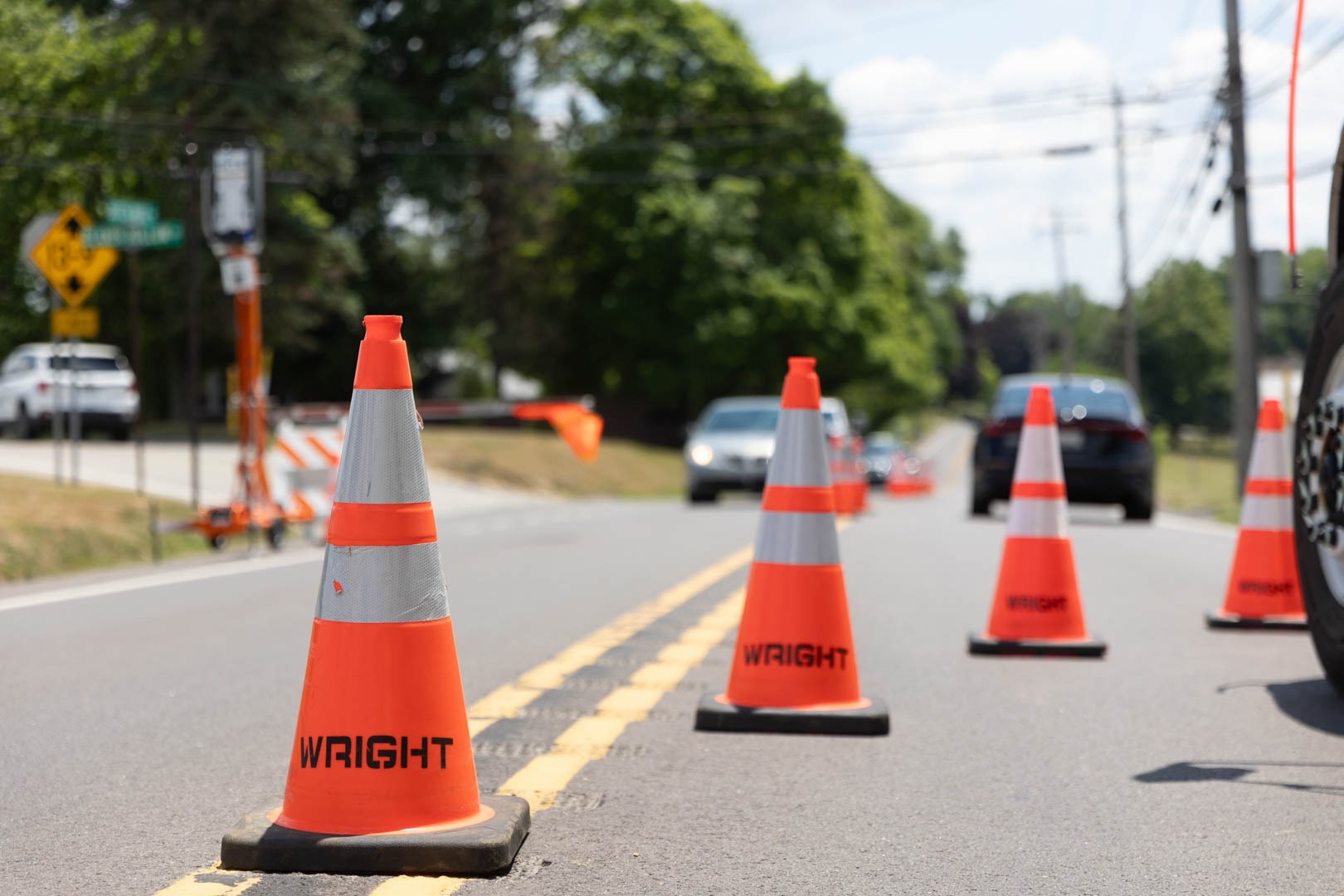
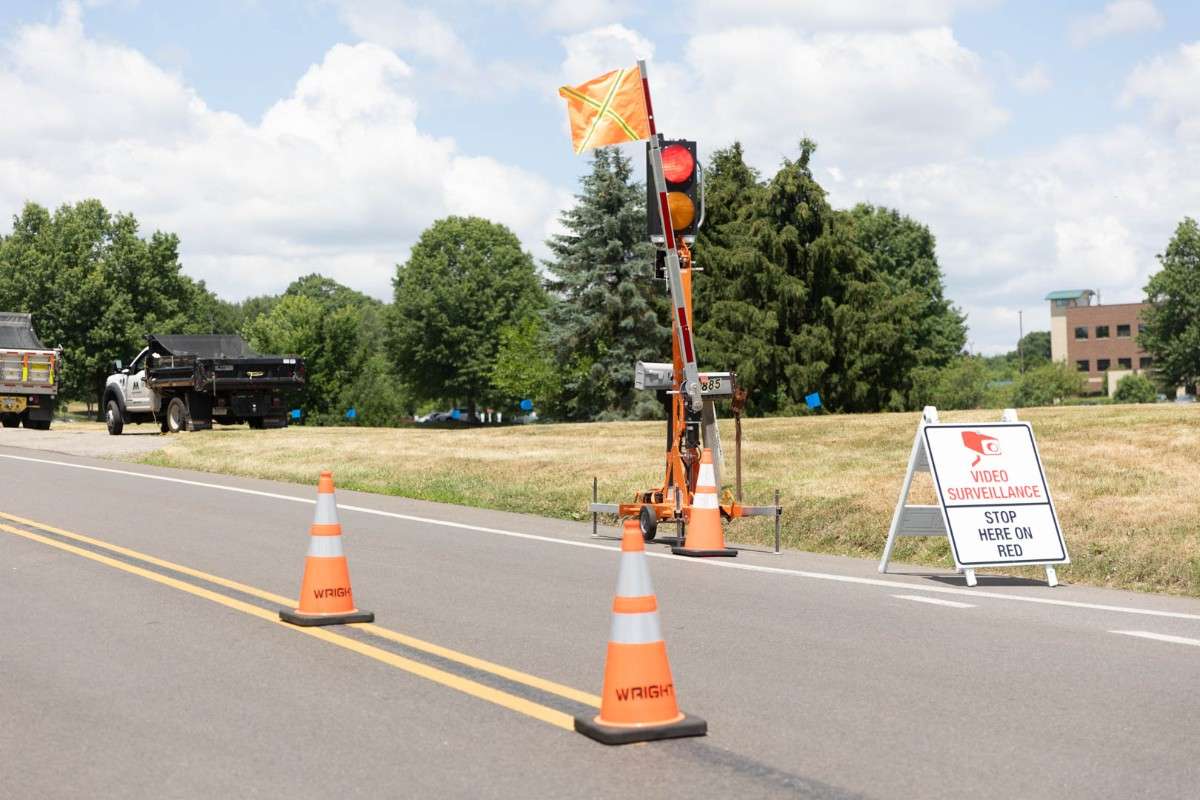
Road construction and maintenance are essential for modern infrastructure, but they also introduce high-risk environments for drivers, pedestrians, and workers. Work zones disrupt normal traffic flow, create unexpected hazards, and require precise coordination to maintain safety. As transportation networks become busier and driver distractions increase, relying solely on manual traffic control methods is no longer enough to ensure effective safety management.
Smart work zone solutions integrate advanced technology, real-time monitoring, and automated traffic management to address these challenges. These systems give roadway operators the tools to protect workers, guide drivers, and minimize congestion without compromising safety. Companies like Site 2020 are leading the way by delivering innovative, technology-driven traffic control services that keep operations efficient and work zones safe.
What is a smart work zone?
A smart work zone is a temporary traffic control area that uses connected devices, automated systems, and data-driven decision-making to manage traffic flow and safety in real time. Unlike traditional setups that rely heavily on manual intervention, a smart work zone system incorporates intelligent sensors, variable message signs, and communication tools that interact dynamically with traffic conditions.
This approach allows operators to detect problems faster, alert drivers more effectively, and reduce the need for high-risk, on-the-ground flagging in hazardous areas. By deploying a smart work zone technology framework, transportation agencies and contractors can improve both safety and efficiency during roadwork projects.
Core components of smart work zone solutions
A fully functioning smart work zone incorporates several integrated technologies that work together to maintain safe and efficient roadway operations.
1. Intelligent traffic management systems
These systems manage lane closures, detours, and speed adjustments through automated devices such as portable traffic signals or remote-controlled flagging units. The goal is to regulate vehicle flow with precision, adapting to live traffic conditions without delays caused by manual communication.
2. Advanced warning and communication systems
Clear communication is vital for preventing accidents. Smart work zones use portable variable message signs (VMS), automated audio alerts, and integration with GPS-based navigation apps to inform drivers of upcoming lane changes, reduced speeds, or hazards well before they reach the work zone.
3. Monitoring and detection technology
Radar, video cameras, and vehicle detection sensors track traffic speed, volume, and queue lengths in real time. This enables quick intervention when conditions change—such as rerouting traffic in the event of a sudden slowdown or deploying additional warning devices if congestion builds unexpectedly.
4. Data analytics and predictive intelligence
Collected data is analyzed to forecast traffic trends and anticipate potential safety issues. Predictive modeling helps operators determine the most effective lane closure times, optimize signal timing, and prevent bottlenecks before they develop. Over time, this information guides better planning for future projects.
Key benefits of smart work zone implementation
The adoption of smart work zone solutions delivers measurable advantages for safety, efficiency, and public satisfaction.
1. Enhanced safety outcomes
Automated control devices reduce the need for workers to be stationed in high-risk areas, lowering the potential for collisions. Real-time alerts help drivers adjust behavior before entering dangerous zones, significantly reducing the chance of work zone crashes.
2. Improved traffic operations
By continuously monitoring conditions, smart systems adjust traffic flow dynamically—reducing congestion and keeping vehicles moving smoothly. This results in fewer backups, reduced driver frustration, and improved compliance with posted speed limits.
3. Operational efficiency gains
For contractors and agencies, efficiency is a financial and operational advantage. Automation reduces labor costs, minimizes project delays, and allows for faster decision-making. The ability to oversee multiple sites remotely also means resources can be deployed where they are needed most without unnecessary downtime.
The critical need for work zone safety innovation
The increase in infrastructure projects across North America means more active work zones on highways and city streets. Without modern safety measures, these environments remain vulnerable to preventable accidents.
1. Current work zone safety challenges
High traffic volumes, driver distraction, and unpredictable weather conditions create dangerous situations for both motorists and workers. Traditional flagging methods often require personnel to be positioned close to moving vehicles, exposing them to unnecessary risk.
2. Safety protocols and equipment
Standard safety measures—such as cones, barricades, and static signage—still play a role, but they are far more effective when integrated into an adaptive work zone traffic control plan. The addition of smart devices ensures these tools are positioned and adjusted based on live data rather than fixed schedules.
3. Limitations of traditional work zone management
Manual methods rely heavily on human presence and decision-making, which can slow response times and leave gaps in coverage. Without real-time feedback, operators cannot adjust quickly to sudden changes in traffic volume or incidents within the work zone.
4. The business case for smart solutions
Investing in smart work zone technology reduces liability exposure, improves compliance with safety regulations, and enhances public trust. For contractors, the ability to complete projects faster and with fewer safety incidents directly impacts profitability. Municipalities benefit from smoother traffic flow and improved safety statistics, making these solutions a cost-effective choice for long-term infrastructure planning.
Bottom line
Smart work zone solutions represent the future of roadway safety and traffic management. By combining automation, monitoring, and predictive analytics, they create a controlled environment that protects both drivers and workers while keeping projects on schedule.
Site 2020 delivers these capabilities through advanced technology and professional expertise, ensuring every work zone operates at the highest safety and efficiency standards.
As roadway demands grow and safety requirements tighten, adopting a smart work zone system is no longer optional; it’s essential for any contractor, municipality, or agency committed to safe and efficient traffic operations.