Roadway safety has always been a pressing concern for both urban planners and the companies tasked with maintaining smooth, secure traffic flow. The introduction of specialized traffic control safety technology companies has changed how hazards are managed in real time. These organizations combine expertise, trained personnel, and cutting-edge traffic control technologies to reduce risks for drivers, pedestrians, and work crews.
By deploying smart work zone solutions and integrated monitoring tools, a traffic control safety technology company offers proactive hazard detection, rapid response to changes, and improved work zone efficiency. This approach not only safeguards people on the road but also enhances the operational flow of construction and maintenance projects.
What is a traffic control safety technology company?
A traffic control safety technology company is a specialized service provider dedicated to designing, implementing, and managing safety systems that reduce roadway hazards. Their work extends across construction zones, public events, emergency response areas, and any situation where traffic needs to be controlled.
Unlike traditional flagging operations, these companies integrate smart traffic control technology with human oversight. From deploying traffic control devices to operating advanced traffic control systems, they ensure that every element of road safety is covered.
Companies like Site2020 employ trained flaggers, utilize remote monitoring systems, and implement automated traffic control system setups that allow real-time adjustments without compromising safety. This combination of technology and expertise helps create safer, more efficient roads.
Types of road hazards addressed by safety technology
Speeding and unsafe driving behaviors
Excessive speed remains a primary cause of work zone accidents. Safety technology can detect speeding vehicles through integrated sensors and trigger warnings that encourage drivers to slow down. Remote-controlled barricades and smart traffic control systems provide better reaction time for on-site crews.
Poor visibility and nighttime conditions
Low light significantly reduces a driver’s ability to spot changes in road patterns. Illuminated digital boards, reflective smart barricades, and camera-assisted monitoring help maintain visibility, ensuring hazards are detected before they cause accidents.
Sudden lane shifts or closures
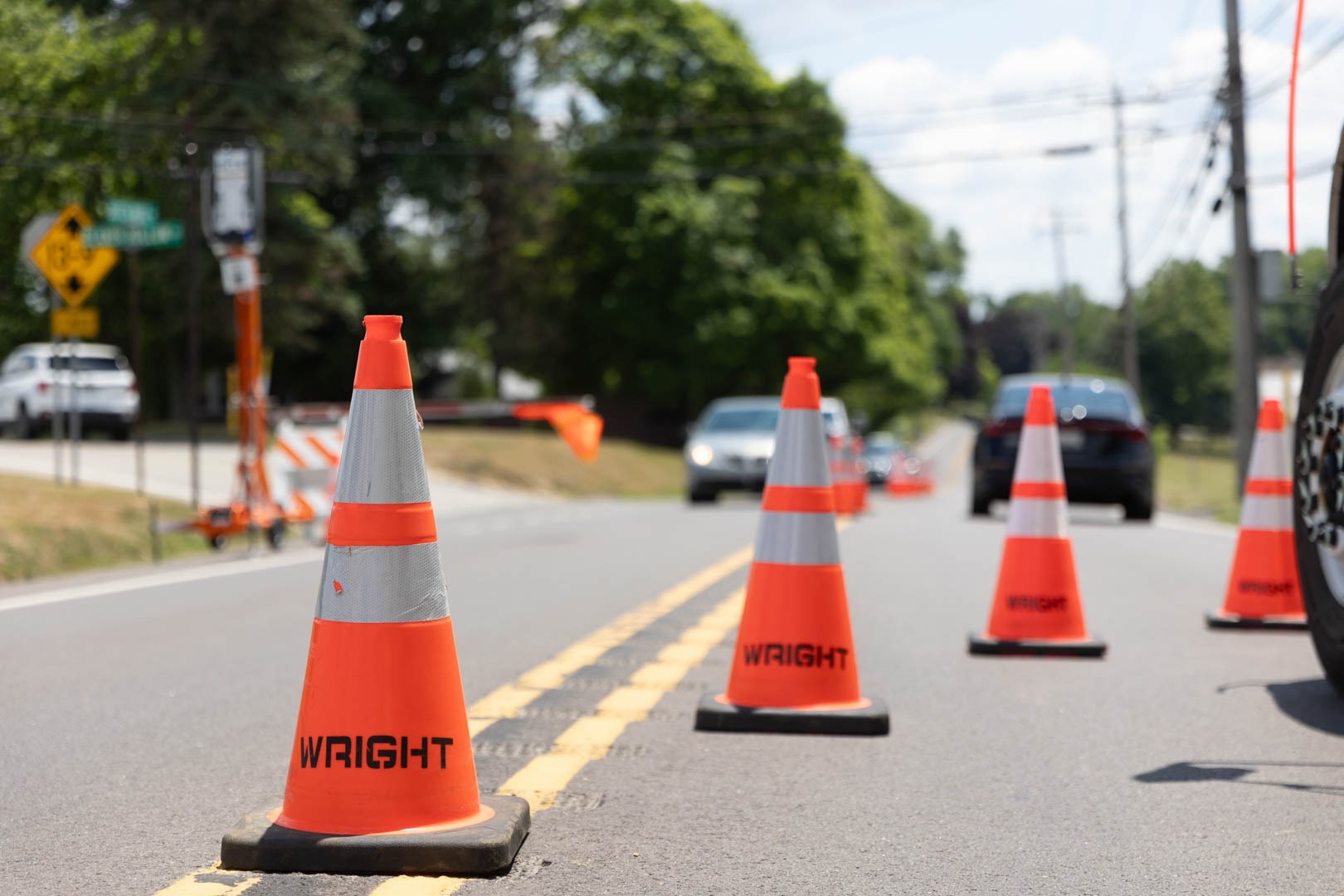
Unexpected lane changes often lead to confusion and collisions. A traffic control management system provides real-time updates to drivers through strategically placed signs and alerts, guiding them safely through altered routes.
Hazardous weather impacts
Rain, fog, snow, and ice can make roads unpredictable. Advanced traffic control systems use weather sensors to adjust traffic patterns and warnings accordingly, helping drivers navigate hazardous conditions with greater caution.
Core technologies used to reduce road hazards
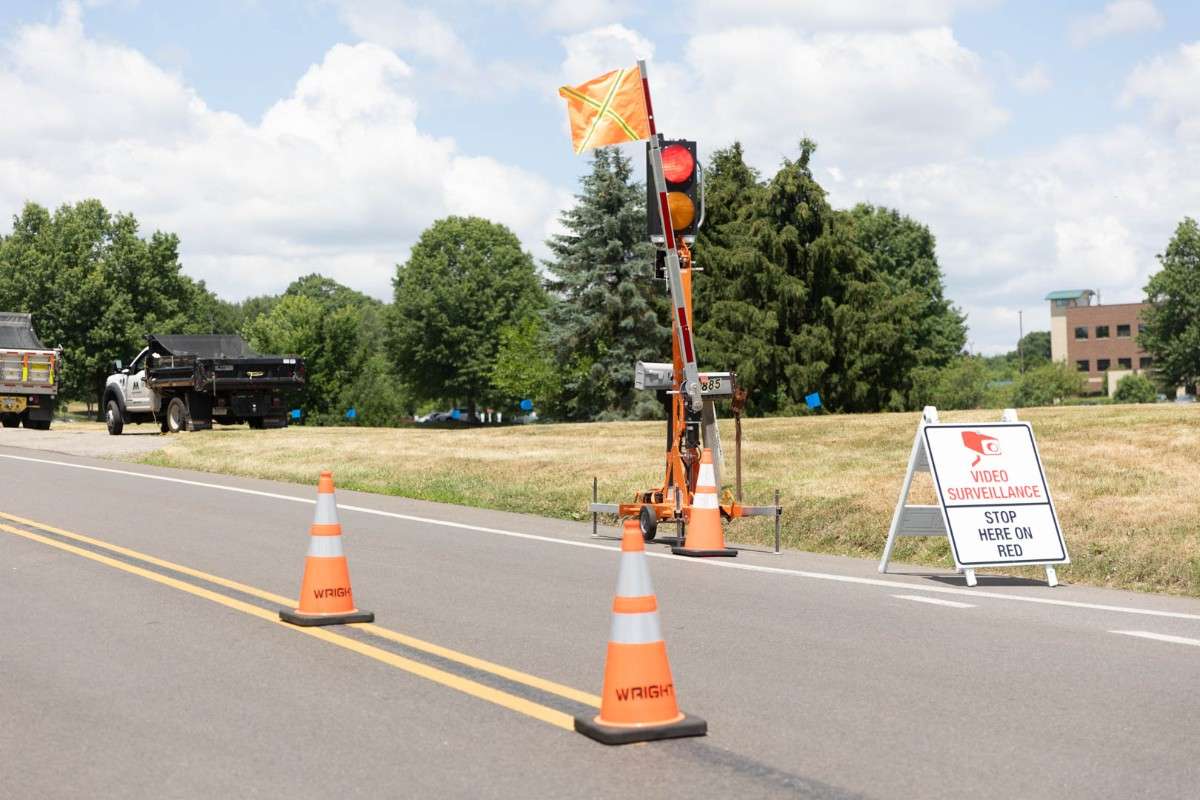
Automated flagging devices and smart barricades
Replacing or supplementing human flaggers with automated systems reduces risk to personnel and improves consistency in traffic control. These devices are remotely managed, allowing operators to respond quickly to changes in traffic flow or emergency situations.
Portable digital message boards and warning signs
Mobile message boards can be repositioned as projects evolve, displaying dynamic instructions or hazard warnings. This flexibility allows road crews to adapt quickly without disrupting traffic more than necessary.
Real-time traffic monitoring and camera systems
High-resolution cameras connected to a smart traffic control system provide constant visibility of work zones. Operators can spot hazards instantly, adjust signal timing, or redirect vehicles to safer routes.
Traffic control planning software for precision execution
Specialized software enables teams to design and simulate traffic control setups before they are deployed. This reduces guesswork and ensures that every lane closure, detour, and device placement is optimized for safety.
Benefits of partnering with a traffic control safety technology company
Improved worker and driver safety
By integrating smart traffic control technology, safety risks to both drivers and workers are significantly reduced. Automated systems minimize direct exposure of crews to moving vehicles, while clear communication tools keep drivers informed.
Compliance with local, state, and federal safety standards
Traffic control operations must meet strict guidelines. Partnering with an experienced provider ensures compliance with all safety codes while utilizing advanced traffic control systems for effective execution.
Minimized project delays and disruptions
An efficient traffic control management system streamlines movement around work zones. This keeps traffic flowing and reduces delays, which benefits both project timelines and public satisfaction.
Lowered accident rates and liability risks
Accidents in work zones can lead to costly lawsuits and project shutdowns. By using a combination of automated traffic control system features and human expertise, companies lower accident rates and reduce liability exposure.
Bottom line
Traffic safety is an evolving challenge that demands both skilled personnel and innovative solutions. A traffic control safety technology company brings together the expertise, equipment, and planning needed to address hazards before they escalate into incidents.
From deploying traffic control devices to operating advanced traffic control systems, these companies provide critical protection for everyone on the road. Their role extends beyond short-term hazard management, offering long-term benefits in accident reduction, regulatory compliance, and efficient project completion.
Organizations like Site2020 demonstrate how a well-executed blend of technology and field expertise can reshape roadway safety. By investing in smart traffic control systems and skilled operators, municipalities, contractors, and event organizers can ensure safer travel for all—no matter the conditions.